
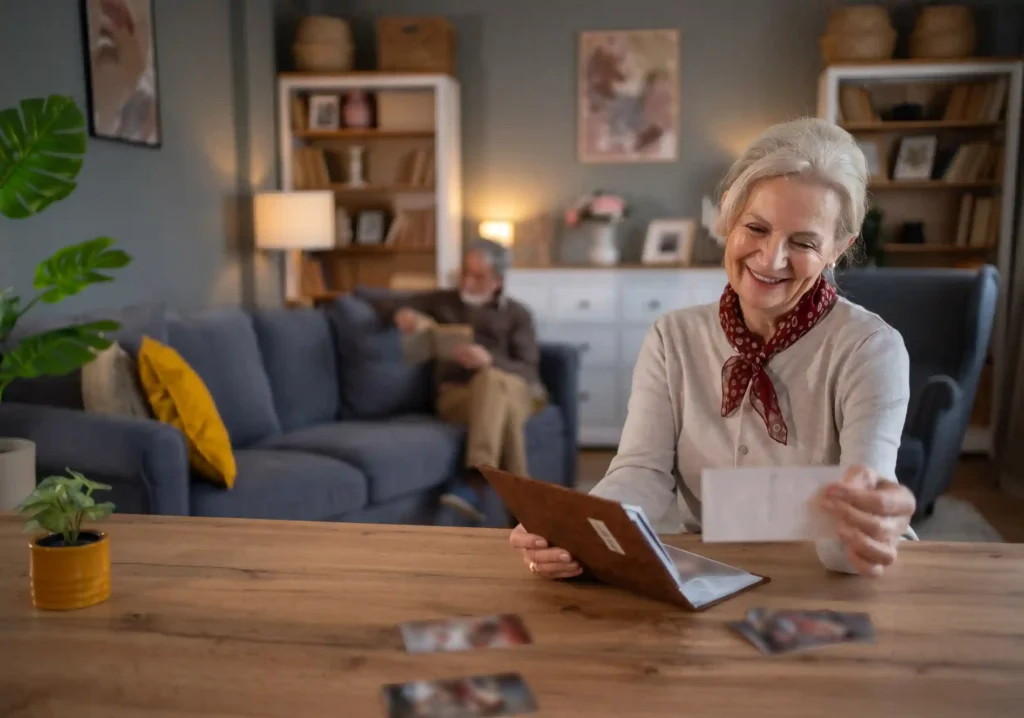

For many older adults, home is much more than a place to sleep. It is where they raised their children, celebrated milestones, built relationships, and collected decades of memories. Even when daily tasks become more difficult, the thought of leaving that familiar space can feel deeply emotional.
This desire is often called aging in place—the choice to remain in one’s own home and community while growing older. According to an AARP survey published in 2024, 75% of adults aged 50 and older wanted to remain in their current homes for as long as possible.
So why does staying home matter so much to seniors? The reasons often go far beyond convenience.
1. Home Preserves a Lifetime of Memories
A familiar home can hold memories that are difficult to replace. A kitchen may remind someone of family dinners, while a hallway might bring back memories of children growing up. Even ordinary objects can carry emotional meaning after decades of use.
For older adults who have lived in the same place for many years, these surroundings can provide a comforting connection to their personal history. Family photographs, favorite chairs, treasured books, and familiar decorations can make everyday life feel meaningful.
Moving somewhere unfamiliar may mean leaving behind more than furniture. It can feel like stepping away from a place where important parts of one’s identity were formed.
Of course, memories do not disappear when someone moves. But familiar surroundings can make it easier to maintain a sense of continuity, especially during a period when other parts of life are changing.
2. Staying Home Helps Seniors Maintain Independence
Many older adults want to continue making their own decisions about how they spend their days. They may want to choose when to eat breakfast, what television program to watch, when to invite visitors, or how to arrange their living space.
Moving into a care facility or another shared living arrangement may mean adjusting to new schedules, rules, or routines. Even when those arrangements provide valuable support, the transition can feel like losing some personal control.
At home, seniors may be able to preserve more of their usual habits and preferences. They can continue doing the tasks they are comfortable handling while receiving help with the activities that have become difficult.
Independence does not necessarily mean doing everything alone. Sometimes, a little assistance with shopping, transportation, cleaning, or personal care allows an older adult to remain in control of the bigger decisions.
That sense of autonomy can make a significant difference to a person’s confidence and well-being.
3. Familiar Surroundings Can Provide Comfort and Security
Growing older can bring changes in hearing, vision, mobility, and memory. When everyday life becomes more challenging, familiar surroundings may make tasks easier to navigate.
A senior who knows exactly where the light switches are, how the kitchen is arranged, and which path leads to the bathroom may feel more comfortable at home than in an unfamiliar building.
Familiar neighbors, nearby shops, and established routines can also create a sense of stability. Even small interactions, such as greeting a neighbor or visiting a favorite local store, may help an older adult feel connected to the world around them.
However, a familiar home is not automatically a safe home. Loose rugs, poor lighting, steep stairs, and slippery bathrooms can create hazards.
Making practical adjustments—such as installing grab bars, improving lighting, clearing walkways, and adding nonslip surfaces—can help seniors remain at home more safely. The National Institute on Aging’s aging-in-place guidance explains why planning for safety and support is important when choosing to grow older at home.
4. Staying Close to Family and Friends Matters
For many seniors, their home is connected to a network of relationships built over years. Their children may live nearby, friends may stop in regularly, and neighbors may be familiar with their daily routines.
Remaining in the same community can make it easier to maintain these relationships. Seniors may continue attending a local place of worship, visiting longtime friends, or taking part in familiar community activities.
Moving away can sometimes make these connections harder to maintain, particularly when transportation is limited or family members have demanding schedules.
That does not mean every senior who moves will become lonely. Some retirement communities and assisted-living settings provide excellent opportunities for companionship and social activities.
The important consideration is whether a living arrangement supports the relationships that matter most to the individual.
A home is often more than a building. It can also be the center of a person’s social world.
5. Home Can Offer Privacy and Personal Freedom
After decades of managing a household, raising children, working, or caring for others, many seniors appreciate having a space that reflects their own preferences.
They may enjoy reading in a favorite chair, listening to music without interruption, preparing familiar meals, or spending a quiet afternoon in the garden.
Living in their own home can offer privacy that is difficult to replicate in a shared environment. Seniors can often arrange their rooms, display personal belongings, and maintain familiar traditions without needing to adapt to another household’s routines.
This freedom can be particularly important for people who value quiet, solitude, or a predictable daily schedule.
At the same time, privacy should not become isolation. Regular contact with loved ones and access to practical support can help older adults enjoy their own space without feeling cut off from others.
The ideal arrangement is one that balances personal freedom with meaningful connection.
6. Moving Can Be Emotionally and Financially Difficult
Relocating can be stressful at any age, but it may feel especially demanding later in life. Packing decades of belongings, deciding what to keep, changing addresses, and adjusting to an unfamiliar environment can take considerable emotional and physical energy.
There may also be financial concerns. Depending on the circumstances, moving could involve rent, deposits, moving services, home-sale costs, or fees for a new living arrangement.
Remaining at home may feel like the simpler option, particularly when the mortgage is paid off and the neighborhood is familiar.
However, staying is not always the least expensive choice. Home repairs, property taxes, utilities, accessibility upgrades, and in-home care can add up. Some older adults may find that moving to a smaller home or a supportive living environment makes more financial sense.
AARP’s 2024 Home and Community Preferences Survey found that housing affordability and maintenance costs are important factors in older adults’ decisions about whether to stay or move.
The best decision depends on the person’s budget, health, support network, and housing needs—not simply on whether staying feels familiar.
7. Staying Home Can Help Preserve a Sense of Identity
An older adult’s home often reflects who they are. The books on the shelves, the photographs on the walls, the garden outside, and the furniture arranged just so may all tell a story about their life.
When people grow older, they may experience changes in work, health, family responsibilities, and social roles. Remaining in a familiar environment can help preserve a sense of continuity through these transitions.
A person may still feel like the parent who raised a family, the gardener who spent summers outdoors, or the neighbor who welcomed everyone into the kitchen.
These connections can be especially meaningful when physical abilities change. Even if someone can no longer do everything they once did, they may still enjoy their favorite surroundings and participate in activities that reflect their interests.
Research on aging in place has highlighted how home and community can support identity, independence, familiarity, and emotional connection.
Growing older does not erase a person’s history or personality. A familiar home can help keep those parts of life close.
When Staying Home May Require Extra Support
Although many seniors prefer to remain at home, the arrangement works best when their needs can be met safely.
Some people may need help with bathing, dressing, preparing meals, managing medications, or getting to medical appointments. Others may require more extensive supervision because of falls, serious health conditions, or changes in memory.
Families can begin by discussing what the older adult wants, which tasks have become difficult, and what support is available.
Helpful options may include:
- Installing grab bars and nonslip surfaces in bathrooms.
- Improving lighting and removing obstacles from walkways.
- Arranging grocery deliveries or transportation.
- Hiring an in-home caregiver when needed.
- Using a medical alert device or other appropriate safety technology.
- Scheduling regular visits and check-ins with family or friends.
The National Institute on Aging recommends planning ahead so that an older adult’s home, daily support, and health needs can work together.
If living at home becomes unsafe despite reasonable support, another arrangement may offer greater comfort and protection. Considering that possibility is not a failure; it is part of making decisions that respect the person’s well-being.
Myth vs. Fact: Why Seniors Want to Stay Home
| Myth | Fact |
|---|---|
| Seniors want to stay home only because they dislike change. | Familiarity, independence, memories, relationships, and personal identity may all influence the decision. |
| Staying home means an older adult does not need help. | Many seniors remain at home successfully with support from family, caregivers, and home modifications. |
| Moving always means losing independence. | Some alternative living arrangements can provide support while preserving privacy and personal choices. |
| A familiar home is automatically safe. | Homes may need adjustments to reduce falls and accommodate changing mobility or health needs. |
| Staying home is always cheaper than moving. | Housing maintenance, accessibility improvements, and in-home care can make costs vary considerably. |
Conclusion
Many seniors want to stay home because it represents much more than a physical address. It can provide memories, independence, privacy, familiar routines, and continued connection to the people and places they love.
But the goal should not be to remain in the same house at any cost. It should be to create a living arrangement that supports safety, dignity, comfort, and meaningful choices.
For some older adults, that means making a few adjustments and receiving help at home. For others, moving to a more supportive environment may ultimately provide a better quality of life.
The most important thing families can do is listen, plan ahead, and include older adults in decisions about their own futures.
Key Takeaway
For many seniors, home represents a lifetime of memories and a sense of independence. Helping them age well means respecting that attachment while ensuring they have the safety, care, and support they need.