

Some dogs are famous for their intelligence, others for their playful personalities, and some for the extraordinary loyalty they show their families. Certain breeds also have natural guarding instincts that make them especially alert to unfamiliar people and unusual situations.
But what makes a dog a good protector? It isn’t just size or strength. Confidence, trainability, awareness, and a strong bond with the owner all matter. The American Kennel Club recognizes several breeds for their guardian instincts, while emphasizing the importance of proper training and socialization.
This list ranks 21 breeds based on their traditional guarding roles, protective instincts, trainability, and ability to serve as devoted companions. The ranking is an editorial guide, not a scientific measurement of which breed would be most likely to risk its life.
1. German Shepherd
The German Shepherd earns the top spot because it combines intelligence, loyalty, athleticism, and versatility. This breed has a long history of working alongside people in roles that require alertness, discipline, and the ability to respond to commands.
German Shepherds often form close bonds with their families and are attentive to their surroundings. With appropriate training, they can learn to distinguish ordinary situations from circumstances that require their handler’s attention. Their intelligence also makes them well suited to obedience and structured activities.
However, they need regular exercise, mental stimulation, and consistent guidance. Without enough activity and training, their energy can become difficult to manage.
Best suited for: Active households seeking a trainable, versatile companion with protective instincts.
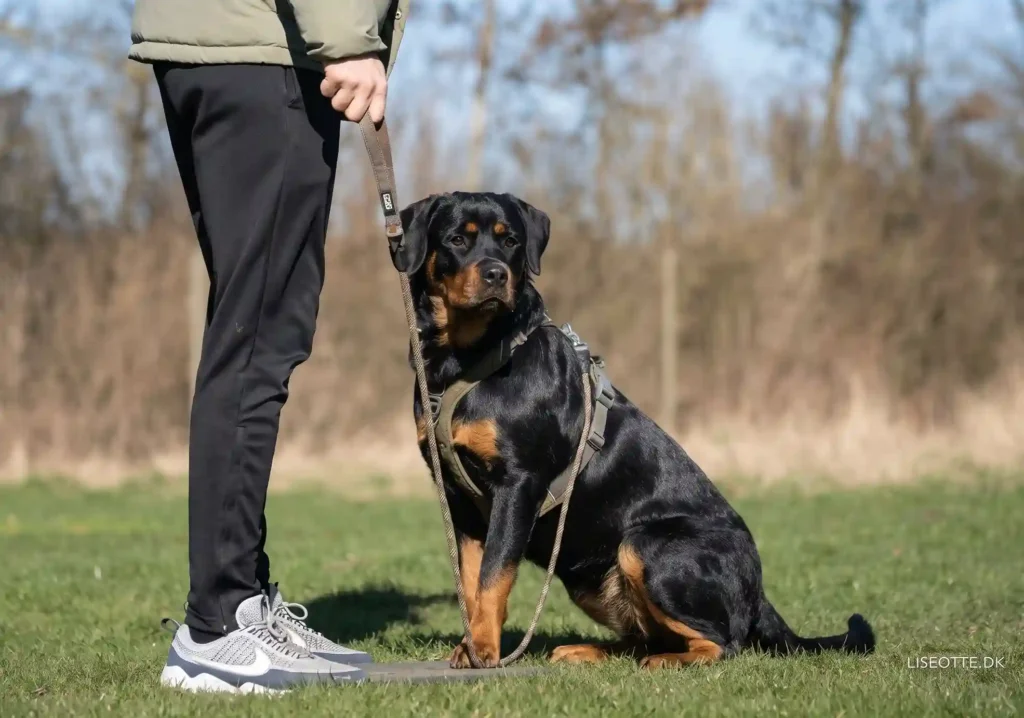
2. Rottweiler
Rottweilers have powerful builds and a naturally confident presence. Historically, they worked as cattle-driving dogs and performed other demanding tasks, helping develop their strength, endurance, and willingness to work with people.
A well-raised Rottweiler can be affectionate with its family while remaining watchful around unfamiliar people. Its imposing appearance alone may discourage unwanted attention, but a responsible owner should focus on obedience and calm behavior rather than encouraging aggression.
Early socialization is particularly important because a large, powerful dog must be manageable in everyday situations. Owners should also provide regular exercise and clear boundaries.
Best suited for: Experienced owners who can provide structure, training, and responsible supervision.
3. Doberman Pinscher
The Doberman Pinscher was developed for personal protection and is known for its athletic build, alertness, and close attachment to its owner. It is also highly intelligent and often enjoys learning new tasks.
Dobermans tend to be attentive to their surroundings and can become devoted family companions when raised with appropriate care. Their combination of speed, awareness, and trainability makes them a familiar choice for people interested in protection-oriented dogs.
They need regular physical activity and mental challenges. Because they can be sensitive and energetic, patient training and positive reinforcement are preferable to intimidation or harsh punishment.
Best suited for: Active owners who want an intelligent, attentive dog and can commit to daily training.
4. Belgian Malinois
The Belgian Malinois is a hardworking, athletic breed known for its high energy and ability to learn complex tasks. It is commonly associated with demanding working roles because it can remain focused and responsive when properly trained.
These dogs often develop strong bonds with their handlers and thrive when given purposeful activities. Their speed, alertness, and drive can make them effective working companions, but those same qualities can overwhelm an inexperienced owner.
A Belgian Malinois generally needs substantial daily exercise, structured training, and opportunities to use its mind. It is not an ideal choice for someone who wants a dog that will simply lounge around the house all day.
Best suited for: Experienced, highly active owners who understand working-dog behavior.
5. Bullmastiff
The Bullmastiff combines an imposing appearance with a generally steady, devoted temperament. Historically developed as a property guardian, it was valued for its strength and ability to deter intruders.
Bullmastiffs often prefer staying close to their families rather than spending the day running around. Their size and watchful nature can make them effective deterrents without requiring constant barking.
However, their strength means that basic obedience is essential. Owners should begin teaching polite leash behavior and reliable responses to commands while the dog is still young. They also need suitable living space and careful management in hot weather.
Best suited for: Owners who want a large, calm-leaning guardian companion and can handle its size.
6. Cane Corso
The Cane Corso is a muscular Italian breed with a history of guarding property and working alongside people. Its confident presence and natural awareness can make it a serious guardian when raised and trained responsibly.
Cane Corsos often form close bonds with their families. They can be reserved around unfamiliar people, so they benefit from early, positive introductions to different environments, visitors, and everyday experiences.
Because of their strength and independent nature, they are not usually the easiest choice for first-time dog owners. Consistent obedience training and responsible supervision are especially important.
Best suited for: Experienced owners prepared for a powerful dog that needs structured training.
7. Boxer
Boxers are energetic, affectionate dogs that often combine a playful family personality with an alert and protective nature. They are known for their enthusiasm and strong attachment to the people they live with.
A Boxer may bark when someone approaches the home or become attentive when something unfamiliar happens. Its muscular build and confident behavior can also make it a visible deterrent.
Unlike some traditional livestock guardians, Boxers generally enjoy interaction and play. They need regular exercise, training, and opportunities to channel their energy appropriately.
Best suited for: Active families who want an affectionate companion that is also alert to its surroundings.
8. Giant Schnauzer
The Giant Schnauzer is a powerful working breed recognized for its intelligence, confidence, and watchful personality. Historically used for demanding work, it can learn quickly when training is consistent and engaging.
These dogs are often deeply attached to their households and may be reserved around strangers. Their alertness and substantial size can make them effective watchdogs, while their intelligence allows them to participate in advanced obedience activities.
However, Giant Schnauzers require regular exercise, mental challenges, and coat maintenance. Their energy and strong personality can become difficult to manage without appropriate guidance.
Best suited for: Experienced owners who enjoy training and can meet the needs of a high-energy working dog.
9. Akita
The Akita is a strong Japanese breed known for its dignity, independence, and loyalty. Traditionally valued for its courage and presence, it can be devoted to its family while remaining cautious around unfamiliar people.
Akitas are not always eager to greet every stranger, and their independent personalities can make training different from working with highly handler-focused breeds. Building trust and teaching reliable everyday manners are important.
They also need careful introductions to other animals, as some individuals may be selective about canine companions. Prospective owners should research the breed’s temperament and management needs before choosing one.
Best suited for: Owners who appreciate an independent, loyal dog and can provide consistent guidance.
10. Anatolian Shepherd
The Anatolian Shepherd was developed to guard livestock, often working independently over large areas. This history helped shape a breed that is observant, self-reliant, and naturally protective of the animals and territory in its care.
Rather than depending on constant direction from a person, an Anatolian Shepherd may assess situations on its own. That independence can be useful in the right environment but challenging in a typical suburban household.
These dogs need secure boundaries, thoughtful socialization, and an owner who understands livestock guardian behavior. Their size and territorial instincts make casual or inconsistent handling a poor fit.
Best suited for: Experienced owners with appropriate space and a genuine understanding of guardian breeds.
11. Rhodesian Ridgeback
The Rhodesian Ridgeback is an athletic breed originally developed in southern Africa for hunting and other demanding outdoor work. It is known for its endurance, confidence, and close relationships with its family.
Although it is not a specialist protection breed in the same way as some working guardians, its alertness and physical presence can make it a capable watchdog. Many Ridgebacks are affectionate at home while remaining reserved in unfamiliar situations.
They need regular exercise and patient training. Their independent streak means owners should work on reliable recall, leash manners, and calm behavior around new people and animals.
Best suited for: Active owners who want a confident companion with natural alertness.
12. Tibetan Mastiff
The Tibetan Mastiff is a large, powerful guardian breed traditionally associated with protecting livestock, homes, and property. Its imposing appearance and naturally watchful nature make it one of the most distinctive dogs on this list.
Tibetan Mastiffs can be devoted to their families but may be independent and reserved with strangers. They were developed to make decisions while guarding, so they may not respond to training in the same way as breeds bred for close cooperation with handlers.
Their size, coat, and guarding instincts require careful consideration. They need secure fencing, thoughtful socialization, and an owner prepared for their independent temperament.
Best suited for: Experienced owners with enough space and knowledge to manage a large guardian breed.
13. Boerboel
The Boerboel is a powerful South African mastiff-type breed historically developed for farm protection. It is known for its substantial build, confidence, and close attachment to its household.
A well-managed Boerboel may be calm around familiar people while remaining attentive to unfamiliar activity. Its physical presence can be an effective deterrent, but its strength makes responsible ownership essential.
Training should begin early and focus on reliable obedience, calm greetings, and appropriate responses to visitors. Owners must also understand local rules and ensure the dog can be safely controlled in public.
Best suited for: Experienced owners with the ability to manage a large, strong guardian dog.
14. Great Pyrenees
The Great Pyrenees is a large, thick-coated breed traditionally used to protect livestock from predators. Despite its size, it is often known for a calm and patient manner with its family.
Its guardian instincts may lead it to monitor unfamiliar activity, especially around its home or property. Unlike breeds that work closely under constant human direction, the Great Pyrenees was developed to make independent decisions while watching over animals.
That independence can come with challenges, including barking and a tendency to patrol its territory. Regular grooming, secure fencing, and consistent training are important parts of ownership.
Best suited for: Households with suitable space that understand the needs of a large livestock guardian.
15. Kuvasz
The Kuvasz is a Hungarian livestock guardian with a history of protecting flocks and property. It is known for courage, independence, and loyalty to the people and animals it considers part of its family.
Kuvasz dogs can be watchful and reserved with strangers. Their traditional role required them to notice potential threats and make decisions without constant instructions, so they need an owner who can provide clear guidance without expecting instant obedience in every situation.
Early socialization and ongoing training help them become more manageable companions. They also need regular exercise and space appropriate to their size and temperament.
Best suited for: Experienced owners who understand independent guardian breeds.
16. Staffordshire Bull Terrier
The Staffordshire Bull Terrier is a muscular, compact dog known for its courage, affection, and strong connection with people. Although it is not typically a specialist property guardian, its alertness and attachment to its household can make it a watchful companion.
Individual personalities vary, and a Staffordshire Bull Terrier should not automatically be assumed to behave aggressively toward strangers. Good manners, early socialization, and responsible management are more valuable than trying to make the dog appear intimidating.
This breed generally benefits from daily exercise, interactive play, and positive training. Owners should also introduce it thoughtfully to other dogs and supervise interactions where needed.
Best suited for: People who want a devoted, sturdy companion and can commit to training and socialization.
17. German Shepherd Dog’s Close Cousin: Belgian Tervuren
The Belgian Tervuren is an intelligent herding breed known for alertness, energy, and its strong working ability. Like other Belgian shepherd varieties, it can develop a close relationship with its handler and respond well to structured training.
Its watchful personality can make it quick to notice unfamiliar activity around the home. However, it is generally better understood as a versatile working and herding companion than as a dog that should be encouraged to confront people.
Belgian Tervurens need plenty of exercise and mental stimulation. They may become anxious or develop unwanted behaviors if left without meaningful activity for long periods.
Best suited for: Active owners who enjoy training, outdoor activities, and mentally engaging games.
18. Beauceron
The Beauceron is a large French herding and working breed with a confident, athletic build. Historically used to manage livestock and perform demanding tasks, it combines endurance with a strong sense of awareness.
Beaucerons can be loyal and watchful companions. Their intelligence makes training rewarding, but their energy and strength mean they need clear expectations and regular opportunities to work.
They are not an ideal match for people who want a low-maintenance dog. Exercise, socialization, and ongoing obedience training help them develop into balanced household companions.
Best suited for: Experienced, active owners looking for a capable working-dog companion.
19. Komondor
The Komondor is a Hungarian livestock guardian instantly recognizable by its long, corded coat. Beneath that unusual appearance is a breed historically tasked with protecting livestock and staying alert to potential threats.
Komondors can form strong bonds with their families and may be territorial around the property they guard. They are also independent thinkers, which means training should be consistent and socialization should begin early.
Their coat requires special care, and their size makes secure space and responsible handling important. Prospective owners should research grooming requirements before bringing one home.
Best suited for: Experienced owners who understand livestock guardian behavior and specialized coat care.
20. Bouvier des Flandres
The Bouvier des Flandres is a sturdy Belgian working breed originally used for farm tasks, including herding and pulling carts. Its strength, intelligence, and watchful nature can make it a loyal family companion.
Bouviers often benefit from structured activities that challenge both their minds and bodies. They can be reserved around strangers, but they still need positive introductions and training to respond appropriately in everyday situations.
Their thick coat requires regular grooming, and their working background means they need more than occasional walks. Consistent guidance helps them become confident and well-mannered companions.
Best suited for: Owners who can provide training, exercise, and regular grooming.
21. Appenzeller Sennenhund
The Appenzeller Sennenhund is an energetic Swiss farm dog historically used for herding, driving livestock, and helping with property-related work. It is alert, active, and often closely connected to its household.
Its tendency to notice unfamiliar activity can make it a useful watchdog. However, it is not as large as many traditional protection breeds, and its greatest strengths include energy, awareness, and versatility rather than sheer physical power.
Appenzellers need daily exercise, training, and activities that engage their minds. They may not be the right choice for a household that wants a quiet dog with minimal exercise needs.
Best suited for: Active owners who want an alert farm-style companion and can provide regular activity.
What Makes a Dog a Good Protector?
A protective dog does not need to be aggressive. The most useful guardian is one that can remain composed, notice unusual activity, respond to its owner’s commands, and behave appropriately around ordinary visitors.
The American Kennel Club notes that guardian breeds need proper training and socialization, especially because many are large and strong.
A few factors matter when choosing a dog:
- Temperament: Look for a dog that is stable and manageable, not constantly fearful or reactive.
- Trainability: Reliable responses to basic commands make daily life safer.
- Socialization: Positive, gradual exposure to people, places, and other animals helps dogs navigate unfamiliar situations.
- Exercise: A dog’s energy level should fit your lifestyle.
- Environment: Some large guardian breeds need secure outdoor space and may be poorly suited to crowded homes or inexperienced owners.
Pro Tip
Before choosing a protective breed, meet adult dogs of that breed and speak with a reputable breeder, rescue organization, or veterinarian. Ask about temperament, exercise needs, health concerns, and how the dog behaves around visitors and other animals. Choosing an individual dog whose temperament fits your household is more important than choosing a breed because it looks intimidating.
Important Note
Never train a dog to attack people simply to make it protective. Encouraging aggression can put family members, visitors, neighbors, and the dog itself at risk. If you need professional protection work, seek a qualified trainer who uses responsible methods and prioritizes control, safety, and obedience.
The American Veterinary Medical Association emphasizes that any dog can bite and that individual behavior, socialization, supervision, and responsible ownership are essential to preventing bites.
Myth vs. Fact
| Myth | Fact |
|---|---|
| The biggest dog is always the best protector. | Size can deter unwanted attention, but temperament, training, and control matter too. |
| A loyal dog will automatically protect its owner in every emergency. | Dogs respond differently to stressful situations; no breed can guarantee a particular response. |
| Protective dogs should be suspicious of everyone. | A well-managed dog should learn to remain calm around ordinary visitors and unfamiliar situations. |
| A naturally protective breed does not need training. | Training and socialization are important for guardian breeds and their owners. |
| A dog that barks at everyone is a better guard dog. | Excessive reactivity can make a dog difficult to manage and may increase safety risks. |
Quick Checklist: Is a Protective Dog Right for You?
Before bringing one home, ask yourself:
- Can I provide daily exercise and mental stimulation?
- Am I willing to invest time in obedience training and socialization?
- Can I safely manage a large, strong dog if needed?
- Do I have suitable space and secure boundaries?
- Can I supervise interactions with children, visitors, and other pets?
- Have I researched the breed’s health, grooming, and exercise needs?
- Am I prepared to work with a qualified trainer if behavior concerns arise?
If you answer no to several of these questions, consider a less demanding companion breed or an individual dog with a temperament better suited to your experience and lifestyle.
Frequently Asked Questions
1. Which dog breed is the most protective?
German Shepherds, Rottweilers, Doberman Pinschers, Belgian Malinois, and Cane Corsos are commonly associated with guarding and protection work. However, no single breed is guaranteed to be the most protective in every situation.
2. Are protective dogs good family pets?
They can be, provided the individual dog has a suitable temperament and receives appropriate training, socialization, exercise, and supervision. Large dogs should never be left unsupervised with young children.
3. Which protective dog is best for a first-time owner?
There is no universal answer. Some first-time owners may do well with a well-matched, trainable companion, while powerful working and guardian breeds can require substantial experience. Meet individual dogs and seek guidance from a veterinarian or reputable trainer before deciding.
4. Do protective dogs naturally know when someone is dangerous?
Dogs can notice unfamiliar sounds, movements, and behavior, but they cannot reliably determine whether every unfamiliar person is dangerous. Their reactions can be affected by fear, excitement, past experiences, and their surroundings.
5. Can a small dog be protective?
Yes. Small dogs can be alert, vocal, and strongly attached to their owners. However, being a good watchdog is different from having the physical ability and training required for professional protection work.
6. Do guardian breeds need special training?
They need appropriate obedience training and socialization, just like other dogs. If a dog will perform formal protection work, training should be handled by a qualified professional who prioritizes safety and control.
Conclusion
The 21 breeds on this list demonstrate the many ways dogs can protect and support the people they love. Some are highly trainable working partners, others are independent livestock guardians, and several are energetic family companions with a natural tendency to stay alert.
The right choice depends on more than a breed’s reputation. Your experience, household, available space, and willingness to train all matter. A calm, well-socialized dog that responds reliably to its owner is often a better companion than one encouraged to act aggressively.
Key Takeaway
Loyalty, awareness, and responsible training matter more than a dog’s intimidating appearance. Choose a breed that fits your life, respect its individual temperament, and build a relationship based on trust rather than aggression.