
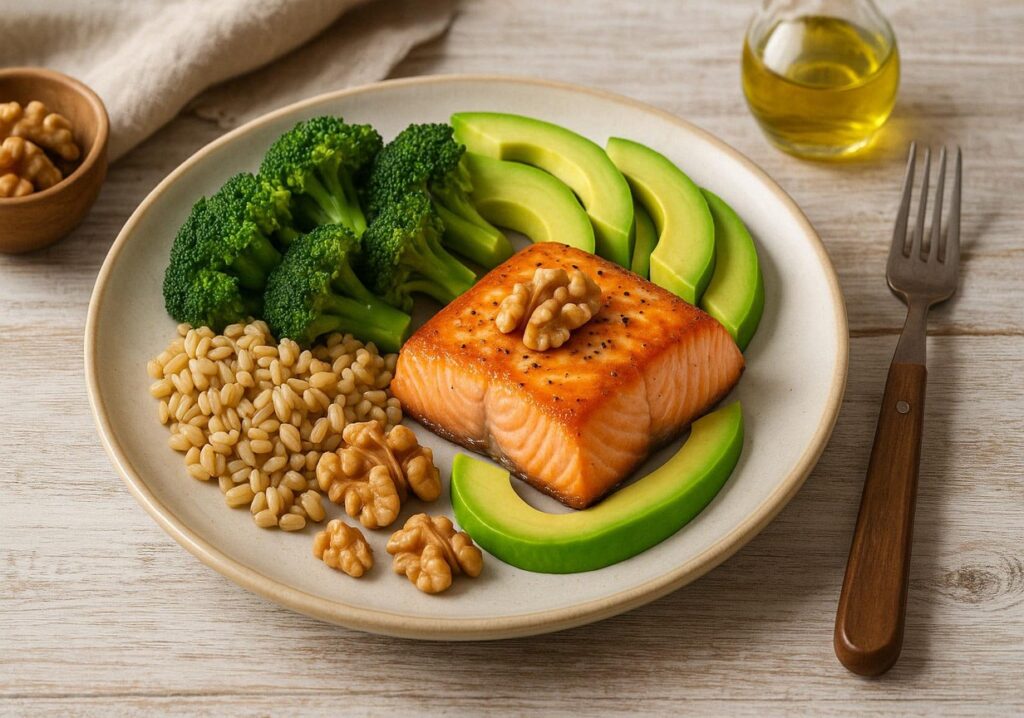

Living with diabetes does not mean giving up delicious food. The key is learning which foods provide essential nutrients, how carbohydrates affect blood sugar, and how to build balanced meals that fit your everyday life.
Some foods offer fiber that slows digestion, while others provide protein or healthy fats that help make meals satisfying. The American Diabetes Association recommends eating a variety of non-starchy vegetables, whole fruits, legumes, whole grains, nuts, seeds, and lean protein sources. No single food is a magic solution, but the right combination can support better diabetes management.
Here are 20 nutritious choices, ranked according to their overall usefulness in a diabetes-friendly eating pattern. This is a practical guide, not a medical ranking, and individual needs can vary.
1. Leafy Green Vegetables
Spinach, kale, collard greens, and other leafy vegetables are excellent choices for people managing diabetes. They provide vitamins, minerals, and fiber while generally containing relatively few carbohydrates per serving.
You can add spinach to an omelet, mix leafy greens into a salad, or cook them with garlic and a small amount of olive oil. They are also easy to combine with protein foods such as eggs, fish, or chicken.
Best way to eat them: Enjoy leafy greens regularly, prepared with modest amounts of salt and added fat.
2. Broccoli
Broccoli is a versatile, non-starchy vegetable that supplies fiber, vitamin C, and other valuable nutrients. Because it contains relatively few carbohydrates compared with many starchy foods, it can fit comfortably into many diabetes-friendly meals.
Try steaming broccoli, roasting it with herbs, or adding it to soups and stir-fries. You can also combine it with grilled chicken, tofu, or fish for a balanced meal.
Best way to eat it: Steam or roast broccoli instead of covering it with heavy sauces.
3. Beans and Lentils
Beans, chickpeas, and lentils deserve a high place on this list because they provide fiber, plant-based protein, and important minerals. Their fiber content can help slow digestion, although the carbohydrates they contain can still raise blood glucose.
Options include kidney beans, black beans, chickpeas, red lentils, and brown lentils. These foods work well in soups, salads, curries, and other everyday meals.
Best way to eat them: Choose minimally processed varieties when possible, watch portion sizes, and include their carbohydrates in your meal planning.
4. Fatty Fish
Salmon, sardines, and other oily fish provide protein and omega-3 fatty acids. They can be particularly valuable in a diabetes-friendly eating pattern because people with diabetes also need to pay attention to cardiovascular health.
Fish itself contains little or no carbohydrate, so it generally does not raise blood glucose in the same way that carbohydrate-rich foods do. However, breading, sweet sauces, and sugary marinades can change the overall nutritional profile of a meal.
Best way to eat it: Bake, grill, or steam fish rather than deep-frying it.
5. Nuts
Almonds, walnuts, pistachios, and peanuts provide a combination of healthy fats, protein, and fiber. A small portion can make a snack more satisfying without relying on sweets or refined carbohydrates.
Nuts are calorie-dense, so eating large handfuls throughout the day can add up quickly. Choose plain or lightly salted varieties instead of heavily sweetened or sugar-coated products.
Best way to eat them: Enjoy a small handful as a snack or sprinkle chopped nuts over plain yogurt.
6. Berries
Blueberries, strawberries, raspberries, and blackberries contain fiber, vitamins, and other beneficial plant compounds. They can add natural sweetness to meals without requiring added sugar.
Although berries can fit into a diabetes-friendly eating pattern, they still contain carbohydrates. The amount you eat matters, especially if you are monitoring blood glucose or counting carbohydrates.
Best way to eat them: Add a modest serving of fresh or frozen berries to plain yogurt or oatmeal. Choose products without added sugar.
7. Eggs
Eggs are a convenient source of protein and provide several important nutrients. Because they contain very little carbohydrate, eggs can be a useful component of breakfast or lunch for many people with diabetes.
Try boiled eggs, vegetable omelets, or scrambled eggs with spinach and tomatoes. Preparation matters: adding large amounts of butter, processed meat, or salty cheese can make the overall meal less heart-healthy.
Best way to eat them: Pair eggs with vegetables and a suitable portion of whole-grain bread if desired.
8. Plain Greek Yogurt
Plain Greek yogurt provides protein, calcium, and other nutrients. Its protein content can help make a breakfast or snack more satisfying, and it pairs well with fruit, nuts, and seeds.
Flavored yogurts can contain substantial amounts of added sugar, so reading the nutrition label is important. Even unsweetened yogurt contains some naturally occurring carbohydrate.
Best way to eat it: Choose plain, unsweetened yogurt and add berries or a small amount of chopped nuts yourself.
9. Oatmeal
Oats contain soluble fiber, including beta-glucan, and can be a nutritious alternative to many refined breakfast cereals. Their fiber content makes them a useful whole-grain choice.
However, oatmeal is not carbohydrate-free. Instant flavored packets, sweet toppings, and oversized portions can increase the amount of carbohydrate in your breakfast.
Best way to eat it: Choose plain rolled or steel-cut oats, prepare them without added sugar, and add cinnamon, nuts, or berries for flavor.
10. Chia Seeds
Chia seeds contain fiber, plant-based omega-3 fatty acids, and other nutrients. Because they absorb liquid and form a gel-like texture, they can be added to yogurt, oatmeal, or homemade puddings.
They are nutritious but not a diabetes treatment. A large serving may also cause digestive discomfort if you suddenly increase your fiber intake without drinking enough fluid.
Best way to eat them: Start with a small amount mixed into yogurt or oatmeal and increase gradually if tolerated.
11. Avocados
Avocados provide fiber and predominantly unsaturated fats. These fats can be part of a heart-conscious eating pattern, which is important because cardiovascular risk deserves attention in diabetes care.
Avocados contain relatively little carbohydrate for the amount of food they provide, but they are calorie-dense. Portion size still matters, especially if weight management is one of your health goals.
Best way to eat them: Add a modest portion to a salad, whole-grain toast, or a meal containing lean protein.
12. Apples
Apples provide fiber, water, and vitamins. They can be a convenient alternative to cookies, candy, and other snacks with added sugar.
The natural sugars in apples still count as carbohydrates, so fruit portions should fit your overall eating plan. Whole fruit is generally a better everyday choice than fruit juice because it retains its fiber and is usually more filling.
Best way to eat them: Enjoy a small apple or an appropriate portion of sliced apple, with a few nuts if you want a more satisfying snack.
13. Tomatoes
Tomatoes are versatile, relatively low in carbohydrates, and provide vitamin C and lycopene, a plant compound with antioxidant properties.
Fresh tomatoes work well in salads, omelets, soups, and vegetable dishes. Canned tomatoes can also be useful, but check labels for added salt or sugar in sauces and prepared products.
Best way to eat them: Use fresh tomatoes or low-sodium canned tomatoes as part of balanced meals.
14. Mushrooms
Mushrooms provide flavor and texture while adding relatively few carbohydrates. They also supply nutrients such as B vitamins, making them a useful addition to a varied diet.
Their mild flavor makes them easy to combine with other foods. You can roast them, add them to soups, or sauté them with spinach and other vegetables.
Best way to eat them: Cook mushrooms with herbs and a modest amount of oil instead of relying on creamy sauces.
15. Quinoa
Quinoa is often used as an alternative to refined grains. It provides fiber, protein, and minerals, although it still contains carbohydrates and can raise blood glucose.
It can be a useful base for grain bowls, vegetable salads, or meals containing fish, chicken, or beans. The important factor is not simply choosing quinoa over every other grain, but selecting a suitable portion and balancing the meal.
Best way to eat it: Serve a moderate portion with plenty of non-starchy vegetables and a protein source.
16. Barley
Barley is a whole grain that contains beta-glucan, a type of soluble fiber. It can add texture to soups, stews, and grain-based side dishes.
Like other grains, barley contains carbohydrates. Its benefits depend on the overall meal, portion size, and how it fits into your individual eating plan.
Best way to eat it: Use barley in vegetable soup or serve a measured portion alongside lean protein.
17. Whole-Grain Bread
Whole-grain bread can provide more fiber and nutrients than many refined white breads. It is a practical option for sandwiches, toast, or a quick breakfast.
However, the words “whole grain” do not mean a product is carbohydrate-free. Different breads vary in their ingredients, fiber content, serving sizes, and total carbohydrates.
Best way to eat it: Check the ingredient list and nutrition label, choose a higher-fiber option, and pay attention to how many slices you eat.
18. Skinless Chicken
Skinless chicken is a convenient source of lean protein. It can help build satisfying meals without adding substantial carbohydrate on its own.
The preparation method makes a difference. Deep-fried chicken, thick breading, and sweet glazes can add calories, carbohydrates, or excess sodium.
Best way to eat it: Grill, bake, roast, or simmer chicken with herbs and spices. Serve it with vegetables and an appropriate portion of a high-fiber carbohydrate.
19. Tofu
Tofu is a useful plant-based protein made from soybeans. It can fit into many eating patterns and is particularly helpful for people who want alternatives to meat.
Depending on the product, tofu provides protein and varying amounts of fat and other nutrients. Plain tofu generally contains little carbohydrate compared with many grain-based foods, although sauces and coatings can add more.
Best way to eat it: Add tofu to vegetable stir-fries, soups, or salads, and choose sauces with little added sugar.
20. Extra-Virgin Olive Oil
Extra-virgin olive oil provides predominantly monounsaturated fat and can be used in a heart-conscious eating pattern. It is a useful replacement for some sources of saturated fat, rather than an ingredient that should simply be added in unlimited amounts.
Olive oil does not contain meaningful amounts of carbohydrate, but it is energy-dense. It also does not directly treat diabetes or replace prescribed medication.
Best way to use it: Drizzle a small amount over vegetables or use it in homemade salad dressing.
Pro Tip: Build a Balanced Diabetes-Friendly Plate
A simple starting point is the Diabetes Plate method recommended by the American Diabetes Association:
- Fill approximately half your plate with non-starchy vegetables.
- Fill one-quarter with a lean protein source, such as fish, chicken, tofu, or eggs.
- Fill the remaining quarter with a quality carbohydrate, such as beans, whole grains, or another carbohydrate-containing food.
- Choose water or another suitable unsweetened drink.
This approach can help with portions without requiring you to eliminate every carbohydrate-containing food. Adjustments may be necessary depending on your medication, activity level, medical conditions, and nutritional needs.
Myth vs. Fact
| Myth | Fact |
|---|---|
| People with diabetes must stop eating all carbohydrates. | Carbohydrates can be part of a balanced eating plan; the amount and type matter. |
| Fruit is always forbidden because it contains sugar. | Whole fruit can fit into a diabetes-friendly diet when portions are appropriate. |
| One special food can cure diabetes. | No single food cures diabetes. Treatment and healthy habits work together. |
| Brown rice and whole grains never raise blood sugar. | Whole grains contain carbohydrates and can still raise blood glucose. |
| Healthy foods can be eaten in unlimited quantities. | Portion sizes matter, including for nutritious foods such as nuts, grains, and fruit. |
Quick Checklist: Shopping for Diabetes-Friendly Foods
Before you shop, consider adding these items to your list:
- Leafy greens, broccoli, tomatoes, and mushrooms
- Beans, chickpeas, and lentils
- Eggs, fish, skinless chicken, or tofu
- Plain, unsweetened yogurt
- Berries and whole fruit
- Oats, barley, quinoa, or suitable whole-grain bread
- Nuts and seeds
- Avocados and olive oil
- Water and unsweetened beverages
When choosing packaged foods, compare serving sizes, total carbohydrates, fiber, added sugars, and sodium. Fresh, frozen, and suitable low-sodium canned foods can all be useful choices.
Frequently Asked Questions
1. What is the best food for someone with diabetes?
There is no single best food for everyone. Non-starchy vegetables, beans, whole fruits, whole grains, nuts, and lean proteins can all contribute to a balanced eating pattern. The best choices depend on personal preferences, blood glucose patterns, medications, and other health needs.
2. Can people with diabetes eat rice?
Yes, many people with diabetes can include rice in their meal plan. Both white and brown rice contain carbohydrates, so portion size matters. Pairing a measured serving with vegetables and protein can help create a more balanced meal.
3. Are bananas safe for people with diabetes?
Bananas can fit into a diabetes-friendly eating plan. They contain carbohydrates, so the portion and the rest of the meal matter. Monitor your individual response if you have been advised to check blood glucose after meals.
4. Should people with diabetes avoid fruit juice?
Whole fruit is generally a better everyday choice because it provides fiber and is often more filling. Fruit juice can deliver carbohydrates quickly and may raise blood glucose. If you drink juice, consider the serving size and follow your clinician’s guidance.
5. Can these foods replace diabetes medication?
No. Healthy food choices support diabetes management but do not replace prescribed medication or medical care. Do not stop or change your medication without speaking with your healthcare professional.
6. Does everyone with diabetes need the same diet?
No. Eating plans should account for personal preferences, cultural foods, activity levels, medications, kidney health, and other medical conditions. A registered dietitian or qualified diabetes care professional can help tailor a plan to individual needs.
Conclusion
Eating well with diabetes is not about finding one miracle food or following a rigid list of forbidden ingredients. It is about building meals around nutritious foods, understanding carbohydrate portions, limiting added sugars, and finding a routine that works for your health and lifestyle.
The 20 foods on this list offer a practical starting point, from leafy greens and lentils to berries, fish, whole grains, and healthy fats. You do not need to eat every item every day. Start with a few foods you enjoy, prepare them in simple ways, and build balanced meals consistently.
Key Takeaway: The most useful diabetes-friendly diet is one that is nutritious, balanced, realistic, and tailored to you. Food can play an important role in managing blood glucose, but your overall care plan matters just as much.