
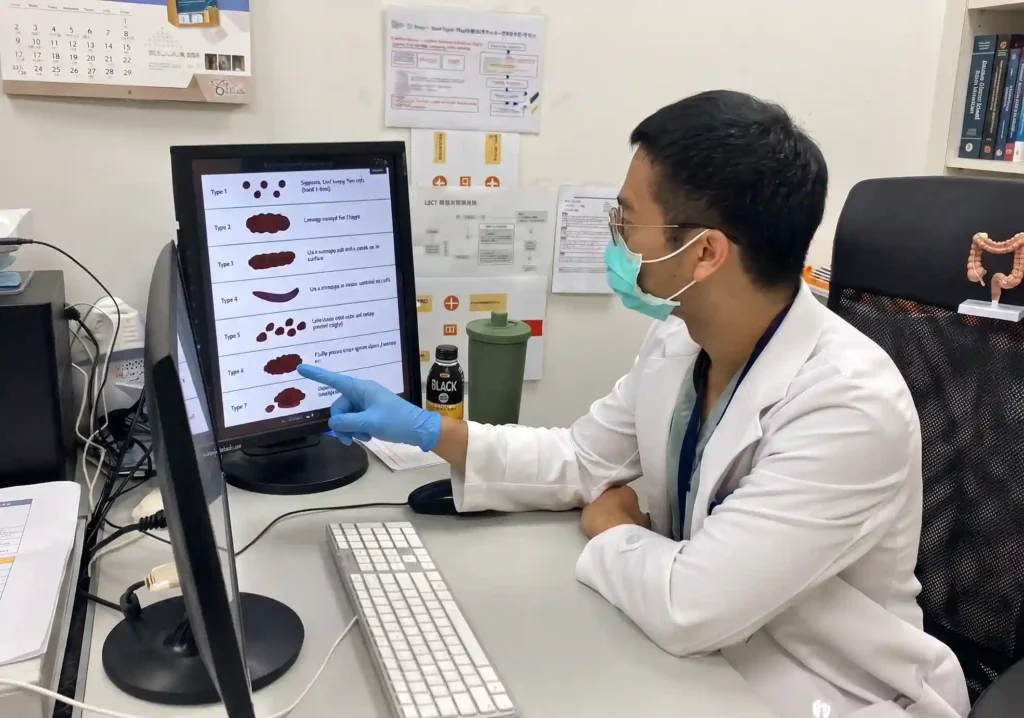

Your bowel movements can reveal useful clues about your digestive health. Although changes in stool are often caused by everyday factors such as diet, medications, or temporary stomach bugs, some changes deserve closer attention.
The important thing to remember is that one unusual bowel movement does not automatically mean something is seriously wrong. What matters is the type of change, how long it lasts, and whether other symptoms appear alongside it.
Here are 10 stool-related warning signs worth knowing—and when you should consider getting medical advice.
1. Bright Red Blood in Your Stool
Seeing bright red blood in the toilet, on toilet paper, or along the outside of your stool can be alarming. Possible causes include hemorrhoids, small tears around the anus, inflammation, and other problems affecting the lower digestive tract.
However, rectal bleeding can sometimes be associated with colon polyps or colorectal cancer. You cannot reliably identify the cause by looking at the blood alone.
What to watch for:
- Red streaks on your stool.
- Blood on toilet paper after a bowel movement.
- Blood mixed into your stool.
- Repeated bleeding, especially with abdominal pain or changes in bowel habits.
What to do: Contact a healthcare professional about unexplained blood in your stool, even if you suspect hemorrhoids. Seek emergency care for heavy or continuous bleeding, large blood clots, fainting, or severe weakness.
2. Black, Tarry Stool
Very dark stool can sometimes result from iron supplements, certain medicines, or dark-colored foods. However, black, sticky, tar-like stool may indicate bleeding in the upper digestive tract, including the stomach.
This type of bleeding can have several causes, such as a stomach ulcer. It should not be dismissed simply because there is no obvious red blood.
What to watch for:
- Black stool with a sticky or tar-like appearance.
- An unusually strong or unpleasant smell.
- Dizziness, weakness, or unusual fatigue.
- Abdominal discomfort or vomiting blood.
What to do: Seek urgent medical assessment if your stool is black and tarry without a clear explanation. If you also feel faint, have severe weakness, or vomit blood, seek emergency care.
3. Diarrhea That Keeps Coming Back or Does Not Improve
Occasional diarrhea can happen after eating certain foods, taking medications, or catching a stomach infection. The concern increases when diarrhea persists, repeatedly returns, or comes with other symptoms.
Ongoing diarrhea can cause dehydration and may sometimes be associated with infections, food intolerances, medication effects, or digestive conditions that require treatment.
What to watch for:
- Frequent loose or watery stools.
- Diarrhea that continues for several days.
- Blood in the stool or a high fever.
- Severe abdominal pain or signs of dehydration, such as very little urine or dizziness.
What to do: Seek medical advice if diarrhea is persistent or worsening. Bloody diarrhea, severe pain, or signs of significant dehydration require prompt assessment.
4. Persistent Constipation or Unusually Hard Stool
Constipation often means passing stool less frequently than usual, having hard or lumpy stool, or struggling to empty your bowels. Common contributing factors include insufficient dietary fiber, inadequate fluid intake, reduced physical activity, and certain medications.
Occasional constipation is common. However, a new and persistent change in your bowel habits deserves attention, particularly when accompanied by other symptoms.
What to watch for:
- Repeatedly passing hard, dry stool.
- Straining during most bowel movements.
- A persistent feeling that your bowel has not emptied completely.
- Constipation accompanied by unexplained weight loss or blood in the stool.
What to do: Discuss ongoing constipation with a healthcare professional, especially if it is new for you. Severe abdominal pain, vomiting, and an inability to pass stool or gas may indicate an urgent problem.
5. Stool That Becomes Persistently Narrower Than Usual
Sometimes stool may look thinner or narrower than normal because of temporary changes in bowel movements. A single narrow stool is not enough to diagnose a disease.
However, a persistent change in stool shape—particularly when it occurs alongside rectal bleeding, abdominal discomfort, or a change in bowel frequency—should not be ignored.
Certain bowel conditions, including growths that affect the passage of stool, can cause changes in bowel habits. But many other explanations are possible, and appearance alone cannot identify the cause.
What to watch for:
- A lasting change from your usual stool shape.
- New constipation or diarrhea.
- Blood or mucus in the stool.
- A persistent feeling that you still need to use the bathroom after going.
What to do: Arrange a medical appointment if the change continues, especially if other symptoms appear. Do not assume that narrow stool automatically means cancer.
6. Very Pale, White, or Clay-Colored Stool
Normal adult stool is generally brown, although its shade can vary. Bile, a digestive fluid produced by the liver, helps give stool its usual brown color.
Repeatedly passing very pale, gray, or clay-colored stool can sometimes indicate that too little bile is reaching the intestine. Problems involving the liver, gallbladder, or bile ducts may be responsible. Some medicines can also affect stool color.
What to watch for:
- Repeatedly pale or clay-colored bowel movements.
- Yellowing of the skin or whites of the eyes.
- Dark urine.
- Itching or discomfort in the upper abdomen.
What to do: Seek medical advice if pale stool persists or occurs with other symptoms. Pale stool accompanied by yellowing of the skin or eyes warrants prompt assessment.
7. Greasy, Oily, or Unusually Floating Stool
Floating stool is not automatically a warning sign. Gas produced during digestion can make stool float, and occasional changes may be harmless.
However, stool that repeatedly appears greasy, oily, unusually foul-smelling, or difficult to flush may indicate excess fat in the stool. This can happen when the body has difficulty digesting or absorbing fat.
Possible causes include certain digestive or pancreatic conditions and disorders that affect nutrient absorption. Diet can also influence stool appearance.
What to watch for:
- An oily film in the toilet.
- Repeatedly greasy or bulky stool.
- Persistent diarrhea or abdominal discomfort.
- Unintentional weight loss or signs of poor nutrition.
What to do: Speak with a healthcare professional if these changes keep occurring. A clinician can determine whether testing is needed to investigate digestion or nutrient absorption.
8. Frequent Mucus in Your Stool
Mucus is a slippery substance naturally produced by the intestines. A small amount may occasionally be present without indicating a serious problem.
The concern is when mucus becomes frequent or noticeably increases, especially if it appears with blood, diarrhea, pain, or a change in bowel habits.
Possible explanations include intestinal infections, inflammation, and other digestive conditions. Certain bowel polyps can also cause mucus or bleeding, although many polyps cause no noticeable symptoms.
What to watch for:
- Repeated or increasing amounts of mucus.
- Mucus mixed with blood.
- Abdominal cramps or persistent diarrhea.
- A lasting change in your normal bowel movements.
What to do: Arrange a medical assessment if mucus keeps appearing or occurs with other symptoms. Bloody diarrhea or severe abdominal pain requires prompt medical attention.
9. Worms or Worm-Like Material in Your Stool
Some intestinal parasites can be visible in stool, but not every thread-like or unusual object is a worm. Undigested food, plant fibers, and mucus can sometimes look similar.
Parasitic infections may cause symptoms such as diarrhea, abdominal discomfort, nausea, or unexplained weight loss. Some infections cause few or no obvious symptoms.
Appearance alone cannot reliably establish whether you have a parasite or identify which organism might be responsible.
What to watch for:
- Repeatedly seeing material that appears to move or resemble a worm.
- Persistent diarrhea or abdominal cramps.
- Unexplained weight loss.
- Symptoms following potentially contaminated food or water or relevant travel.
What to do: Contact a healthcare professional if you suspect an intestinal parasite. They may recommend a stool test or other investigations. Avoid taking deworming medication without appropriate medical advice, particularly if the cause is uncertain.
10. A Lasting Change in Bowel Habits Along With Weight Loss or Fatigue
One of the most important warning signs is not a particular stool shape or color. It is a persistent change from your normal bowel habits combined with other unexplained symptoms.
For example, someone who usually has regular bowel movements might develop ongoing diarrhea or constipation, abdominal discomfort, and unexplained weight loss.
These symptoms can have many causes, including conditions that are not cancer. However, colorectal polyps and colorectal cancer may sometimes cause changes in bowel habits, blood in the stool, abdominal discomfort, or anemia-related fatigue. Some polyps and early cancers cause no symptoms at all.
What to watch for:
- A lasting change in how often you pass stool.
- Unexplained weight loss.
- Persistent abdominal pain or bloating.
- Unusual tiredness, weakness, or shortness of breath.
- Blood in the stool or a recurring feeling that your bowel has not emptied.
What to do: Make a medical appointment if these symptoms persist or are unexplained. Do not wait for every symptom to appear before seeking advice.
Pro Tip: Pay Attention to Changes, Not Just Appearance
Your usual bowel pattern is often a more useful comparison than a picture of what stool should look like.
Notice changes in color, consistency, frequency, and any accompanying symptoms. If something unusual happens once and then returns to normal, it may be less concerning than a change that continues or gets worse.
Keeping a brief record of symptoms, recent dietary changes, and medicines can help you explain the problem to a healthcare professional.
Important Note: When Should You Seek Urgent Medical Help?
Seek urgent medical attention for black, tarry stool, bloody diarrhea, or unexplained bleeding. Get emergency care if you experience heavy or continuous rectal bleeding, large blood clots, fainting, severe weakness, or vomiting blood.
Severe abdominal pain accompanied by vomiting or an inability to pass stool or gas also needs urgent assessment.
Myth vs. Fact
| Myth | Fact |
|---|---|
| Any unusual stool color means you have a serious disease. | Food, supplements, and medicines can change stool color. Some changes still need medical evaluation. |
| Blood in stool always means cancer. | Hemorrhoids and other conditions can cause bleeding, but the cause should not be assumed without assessment. |
| Floating stool means you have a digestive disease. | Gas can make stool float. Persistent greasy stool with other symptoms deserves evaluation. |
| You can diagnose colon polyps by looking at your stool. | Many polyps cause no symptoms. Medical tests are needed to identify them. |
| If you feel fine, you cannot have colon polyps. | Some polyps and colorectal cancers may not cause noticeable symptoms, which is why recommended screening matters. |
Quick Checklist: Know When to Get Checked
Consider contacting a healthcare professional if you notice:
- Blood in or on your stool.
- Black, tarry stool without a clear explanation.
- Persistent diarrhea or constipation.
- A lasting change in your usual stool shape or frequency.
- Repeatedly pale or clay-colored stool.
- Greasy stool that keeps recurring.
- Frequent mucus or suspected worms in your stool.
- Unexplained weight loss, abdominal pain, or unusual fatigue.
This checklist is a guide, not a diagnostic tool. Seek emergency care for severe symptoms rather than waiting to complete it.
Frequently Asked Questions
1. What does healthy poop usually look like?
Healthy stool is generally brown, formed, and soft enough to pass without excessive straining. Normal bowel frequency varies from person to person, so there is no single schedule that is right for everyone.
2. Can stool color change because of food?
Yes. Foods, food coloring, supplements, and some medicines can affect stool color. However, unexplained bright red blood, black tarry stool, or persistent pale stool should not automatically be attributed to diet.
3. Do colon polyps always cause symptoms?
No. Many colon polyps cause no noticeable symptoms and are discovered during screening or other medical procedures. When symptoms occur, they may include rectal bleeding, blood in the stool, or changes in bowel habits.
4. Can you tell whether you have intestinal parasites by looking at your stool?
Not reliably. Some parasites or worm segments may be visible, but other material can look similar. A healthcare professional may recommend stool testing to determine whether an infection is present.
5. How long should a change in bowel habits last before I seek medical advice?
There is no single waiting period that applies to every symptom. Seek advice sooner if the change is severe, worsening, or accompanied by blood, unexplained weight loss, or significant pain. Do not wait several weeks when you have urgent warning signs.
6. Does unusual poop always mean something is seriously wrong?
No. Many changes are temporary and have harmless explanations. However, persistent or unexplained changes—and particularly bleeding or symptoms affecting your overall health—deserve appropriate medical attention.
Conclusion
Your stool can provide useful clues about your digestive health, but no single appearance can diagnose a disease. Blood, black tarry stool, persistent changes in bowel habits, unexplained weight loss, and other ongoing symptoms deserve particular attention.
The safest approach is to know what is normal for you, avoid self-diagnosing from pictures, and seek medical advice when something unusual persists or appears alongside other symptoms.
Key Takeaway
Pay attention to persistent changes, take unexplained bleeding seriously, and remember that early medical evaluation can help identify problems before they become more difficult to treat.