
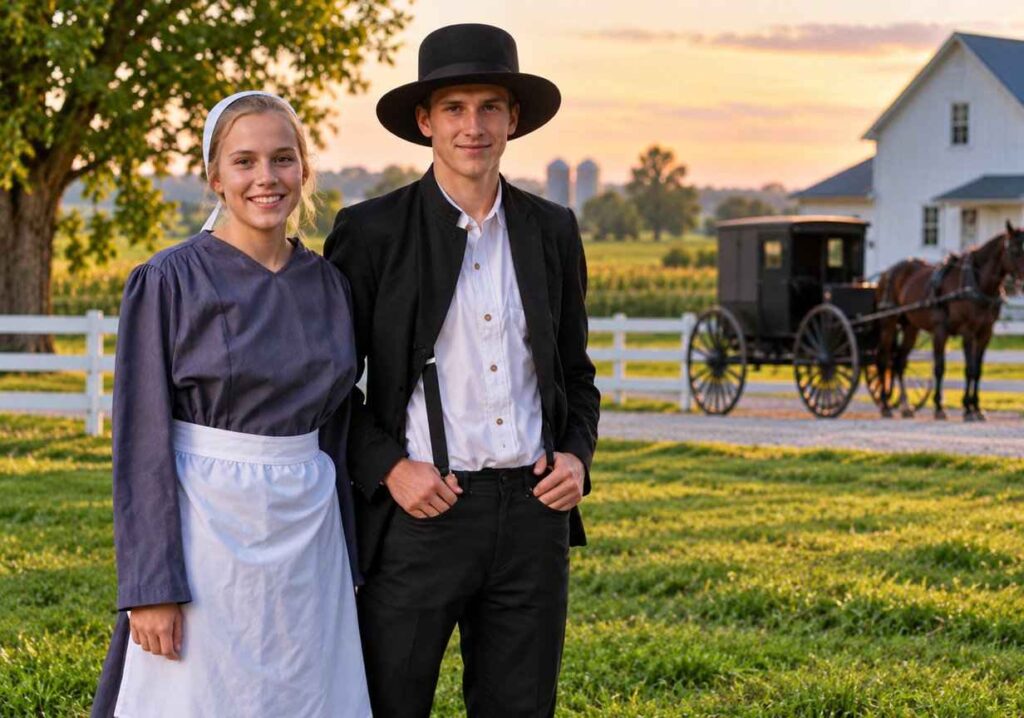

For many couples, a wedding night means checking into a hotel, starting a honeymoon, or enjoying a quiet evening together. But in some Amish communities, the beginning of married life can look very different. Their traditions emphasize family, faith, modesty, and community rather than elaborate celebrations or expensive getaways. From spending the first night at the bride’s family home to helping with household responsibilities the following morning, some customs may surprise people who are unfamiliar with Amish life. Here are nine interesting traditions that help explain what an Amish wedding night can really look like.
1. The Couple May Spend Their First Night at the Bride’s Parents’ Home
One of the most interesting Amish wedding customs is where the newlyweds spend their first night together. In some communities, the couple stays at the bride’s parents’ home rather than leaving for a hotel or honeymoon destination. This arrangement reflects the close connections between Amish families and their communities. Instead of immediately beginning an independent household, the couple may continue living with family while preparing for their future together. However, this custom is not universal, and arrangements can differ from one Amish settlement to another.
2. A Traditional Amish Wedding Can Last Most of the Day
Amish weddings are often much more than a brief ceremony followed by a reception. In many communities, the day includes a lengthy religious service, a large meal, visits with family members, and group singing. Friends and relatives gather to celebrate the marriage and support the couple as they begin a new chapter. Some weddings involve hundreds of guests, making the event a major community occasion. Because the celebration can continue for hours, the newlyweds may have little reason to plan an elaborate trip immediately afterward.
3. Family Responsibilities May Continue the Next Morning
While many modern newlyweds spend the morning after their wedding relaxing, some Amish couples return to ordinary household responsibilities. If the wedding has taken place at the family home, there may be benches, tables, dishes, and other items to put away. Relatives and friends may help restore the house after hosting a large gathering. In certain communities, the newlyweds are also expected to help with the cleanup. The contrast between a busy wedding celebration and a practical morning afterward reflects the importance of shared work in traditional Amish life.
4. An Immediate Honeymoon May Not Be Part of the Tradition
Many couples today save for a honeymoon in another city or country. Traditional Amish wedding customs can follow a different pattern. In some communities, newlyweds do not immediately leave for a vacation and instead remain close to their families. Their first weeks or months of married life may include visiting relatives and attending family meals. The exact arrangement depends on the community and the couple’s circumstances. This doesn’t mean that every Amish couple follows the same rule; rather, it shows how some traditional wedding customs place greater emphasis on family connections than on a conventional honeymoon.
5. Visiting Relatives Can Become Part of the Newlyweds’ First Months
An interesting part of some Amish wedding traditions is the series of visits that follows the ceremony. Newlyweds may visit relatives and friends who attended their wedding, sharing meals and spending time with different households. These visits provide an opportunity to strengthen relationships and maintain close community ties. In some traditions, guests give wedding gifts during these visits rather than presenting everything at the ceremony itself. The visits can also give the couple time to adjust to married life while remaining connected to the people who supported their marriage.
6. The Couple May Live With Family Before Establishing a Separate Home
In some Amish communities, newlyweds initially stay with the bride’s parents or another family household. They may establish their own home later, depending on housing, finances, and local customs. This arrangement can help the couple transition into married life without immediately taking on every responsibility of running a separate household. It also reflects the practical role of extended family within many Amish communities. However, there is no single timeline that applies to every couple, and living arrangements vary between settlements.
7. The Bride’s Wedding Dress May Look Different From a Modern White Gown
Amish wedding clothing often reflects the community’s emphasis on modesty and simplicity. In some communities, brides wear a new dress in a traditional color such as blue, rather than the elaborate white gown commonly associated with modern American weddings. The dress may also be worn again on other special occasions. Depending on the community, the bride’s outfit can include a white apron, a bonnet, and other traditional elements. These clothing choices are connected to local customs and religious values rather than the fashion trends that influence many contemporary weddings.
8. Faith Remains Central to the Beginning of Married Life
For many Amish people, marriage is closely connected to religious commitment and the life of the church community. The wedding ceremony generally includes religious teaching, prayers, and marriage vows. The couple’s commitment is understood within the broader context of their faith, family responsibilities, and community expectations. This is one reason Amish weddings may look quite different from celebrations centered on entertainment or extravagant displays. While individual customs differ, religious beliefs remain an important part of marriage in Amish life.
9. There Is No Single Amish Wedding-Night Rule Followed by Everyone
Perhaps the most important thing to understand is that Amish communities are not all identical. Traditions can differ according to the settlement, church district, family background, and local interpretation of religious expectations. Some couples may spend their first night at the bride’s family home, while other arrangements may be possible in different communities. Stories circulating online can sometimes present one local custom as if every Amish couple follows it. In reality, it is better to distinguish documented traditions from rumors and avoid assuming that a practice described in one community applies to all Amish people.