
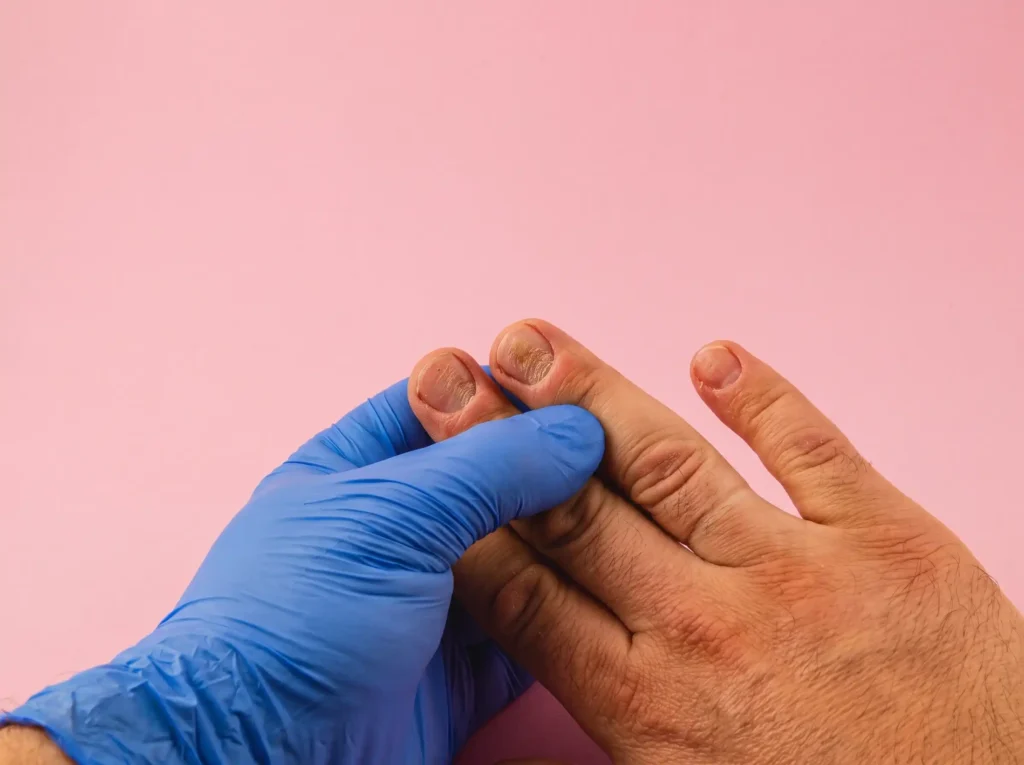

Have you noticed thin, raised lines running from the base of your fingernails toward the tips? These lines are called vertical nail ridges, and they can become more noticeable as you get older. Although they are usually harmless, changes in nail texture can sometimes be related to dryness, repeated irritation, or an underlying health condition. The key is knowing which changes are common and which ones deserve attention.
1. Natural Aging
One of the most common reasons for vertical ridges is the natural aging process. Just as skin texture changes over time, fingernails can develop more noticeable lines as the way nail cells grow and renew themselves changes.
These ridges typically run lengthwise, from the cuticle toward the tip of the nail. They may appear on several fingernails and often develop gradually rather than appearing overnight.
If your ridges have been present for a long time and your nails otherwise look healthy, they are usually not a cause for concern. However, sudden changes in nail color, shape, or texture should not automatically be attributed to age.
2. Dry Skin and Brittle Nails
Dryness can make nail ridges more noticeable, especially when the nails also feel rough, peel, or break easily. Frequent handwashing, cold weather, and repeated contact with water or cleaning products can contribute to dry, fragile nails.
The skin surrounding the nails may also become dry or irritated, making the entire nail area look less healthy.
A simple care routine can help: apply hand moisturizer after washing your hands, gently massage a small amount around your cuticles, and wear protective gloves when using household cleaners. These steps can reduce dryness and help protect fragile nails, although they may not completely remove existing ridges.
3. Repeated Nail Trauma or Cuticle Picking
Sometimes, vertical ridges develop because the nail-producing area near the cuticle has experienced repeated irritation or injury.
Picking at the cuticles, pushing them back aggressively, biting the nails, or repeatedly pressing on the base of the thumbnail can affect the nail as it grows. This may create a noticeable groove or ridged pattern, particularly down the center of a thumbnail.
The habit may be difficult to notice because people sometimes touch or pick at their cuticles without realizing it.
Try to leave the cuticles alone, avoid aggressive manicures, and keep your nails trimmed comfortably. If a pronounced groove persists or the nail becomes painful or distorted, a dermatologist can help identify the cause.
4. Nutritional Deficiencies
Nail changes can sometimes occur alongside nutritional deficiencies, but vertical ridges alone do not prove that your body is missing a particular vitamin or mineral.
Iron deficiency, for example, is associated with certain nail abnormalities, especially nails that become thin and curve inward like a spoon. Nutritional problems may also affect nail strength and growth.
If your nails are becoming unusually brittle or you also experience persistent fatigue, weakness, or other unexplained symptoms, speak with a healthcare professional. They can decide whether blood tests or a nutritional assessment are appropriate.
Avoid starting high-dose supplements simply because you notice ridges. The right treatment depends on whether a deficiency is actually present.
5. Thyroid Conditions
The thyroid gland helps regulate several processes in the body, and thyroid disorders can sometimes affect the appearance of the nails.
For example, an underactive thyroid may be associated with brittle nails and other changes in nail texture. However, vertical ridges by themselves are not a reliable way to diagnose a thyroid problem.
Pay attention to the broader picture. If nail changes occur alongside persistent tiredness, unusual sensitivity to cold, changes in weight, or other unexplained symptoms, discuss them with your healthcare professional.
A clinician can assess your symptoms and determine whether thyroid testing is necessary. There is no need to assume that ordinary nail ridges indicate a thyroid disorder.
6. Skin Conditions Around the Nails
Certain skin conditions, including eczema and psoriasis, can affect the nails or the skin surrounding them.
When the surrounding skin is dry, inflamed, or irritated, nail texture may change. Nail psoriasis can also cause small pits, discoloration, thickening, or separation of the nail from the nail bed.
These changes are not the same as the fine, lengthwise ridges commonly associated with aging. The appearance of the nail and any accompanying skin symptoms help determine what may be happening.
If you notice persistent redness, scaling, swelling, deep pits, or nails that are lifting away from the skin, consider getting them examined rather than treating the problem as simple dryness.
7. Previous Illness or Nail Growth Disruption
A serious illness, significant injury, or certain medical treatments can temporarily interrupt nail growth.
When growth is disrupted, a noticeable groove may develop across the nail. These horizontal grooves are called Beau’s lines, and they differ from vertical ridges that extend from the cuticle to the tip.
As the nail grows, a groove caused by a temporary interruption may gradually move toward the tip. Its position can sometimes help a healthcare professional understand when the disruption occurred.
If you develop new, deep horizontal grooves without an obvious explanation, or several nails change at once, arrange a medical assessment.
Pro Tip: Keep Your Nail Care Routine Gentle
You do not need to buff your nails aggressively to make them look smoother. Excessive filing can thin the nail plate and make fragile nails more likely to split.
Instead, keep your nails at a comfortable length, use moisturizer regularly, avoid picking at the cuticles, and protect your hands from harsh cleaning products. If you use nail polish or artificial nails, give your natural nails a break when they become irritated or damaged.
Remember that ordinary vertical ridges may remain visible even when your nails are healthy. The goal is to protect your nails, not necessarily to make every line disappear.
Important Note: Vertical and Horizontal Ridges Are Different
The direction of a ridge can provide a useful clue, but it cannot establish a diagnosis on its own.
- Vertical ridges: Run from the cuticle toward the nail tip. They are common and often become more noticeable with age.
- Horizontal ridges: Run across the nail and may reflect a temporary interruption in nail growth.
- Deep grooves or unusual nail changes: May need medical assessment, especially when they appear suddenly or affect several nails.
A new dark streak, unexplained discoloration, nail separation, swelling, or persistent pain also deserves attention. Seek medical advice if these changes develop rather than assuming they are normal ridges.
Myth vs. Fact
| Myth | Fact |
|---|---|
| Vertical ridges always mean a vitamin deficiency. | They are common and often associated with normal aging. |
| Every nail ridge signals a serious disease. | Many fine, lengthwise ridges are harmless. |
| Taking supplements will remove all ridges. | Supplements are useful when medically appropriate, but they are not a universal treatment. |
| Horizontal and vertical ridges mean the same thing. | They have different patterns and may have different causes. |
| Buffing ridges away is always safe. | Aggressive buffing can thin and damage the nail. |
Quick Checklist: Should You Get Your Nails Checked?
Use this checklist to decide whether your nail changes deserve attention:
- The ridges appeared suddenly or are becoming much deeper.
- My nails have developed a new dark streak or unusual discoloration.
- Several nails have developed deep horizontal grooves.
- My nails are splitting, thickening, or lifting away from the nail bed.
- The skin around my nails is swollen, painful, or persistently red.
- I have other unexplained symptoms along with the nail changes.
If you check any of these boxes, consider discussing the changes with a healthcare professional. A new or changing dark streak should be examined promptly by a dermatologist.
Frequently Asked Questions
Are vertical ridges in fingernails normal?
Yes. Fine vertical ridges are common and often become more noticeable with age. If the ridges are mild and your nails otherwise look healthy, they are usually harmless. New or unusual changes should still be assessed when appropriate.
Can dehydration cause vertical nail ridges?
Dryness can contribute to fragile nails and make nail texture more noticeable. However, vertical ridges have several possible causes, so they should not automatically be blamed on dehydration. Moisturizing your hands and nails can help protect them.
Do vertical ridges mean I have low iron?
Not necessarily. Iron deficiency can be associated with certain nail abnormalities, but vertical ridges alone do not confirm low iron. A healthcare professional can determine whether testing is needed.
Can nail ridges disappear?
It depends on the cause. Ridges related to temporary damage may improve as the nail grows, while ordinary age-related ridges may remain. Gentle nail care can help prevent additional damage, but it cannot guarantee completely smooth nails.
When should I see a dermatologist?
Seek advice if your nails change color or shape unexpectedly, develop a new dark streak, become painful, separate from the nail bed, or develop deep grooves without an obvious explanation. A dermatologist can examine the nails and recommend further testing if necessary.
Conclusion
Vertical ridges in fingernails are common, and aging is one of the most frequent explanations. Dryness, repeated nail trauma, and certain health conditions may also contribute to nail changes.
Rather than assuming that every ridge signals a deficiency or disease, look at the overall appearance of your nails and whether anything has changed recently. Gentle nail care is a sensible first step, while sudden discoloration, deep grooves, pain, or nail separation deserve professional attention.
Key Takeaway
Fine vertical ridges are often harmless, but sudden or unusual nail changes should not be ignored. Care for your nails gently, avoid unnecessary supplements, and seek medical advice when changes occur alongside other symptoms or warning signs.