

Arterial plaque is a serious health concern that can develop silently over many years. It forms when cholesterol, fats, inflammatory cells, and other substances accumulate inside artery walls, potentially restricting blood flow and increasing the risk of heart attack and stroke.
You may have seen claims that certain superfoods can dissolve arterial plaque quickly. The truth is more nuanced: no individual food has been proven to rapidly dissolve plaque or unclog blocked arteries. However, a heart-healthy diet can help lower LDL (“bad”) cholesterol, improve blood pressure, and reduce the risk of cardiovascular disease. With medical treatment and sustained lifestyle changes, some existing plaque can shrink or become more stable.
Here are 20 foods ranked by their usefulness in a heart-healthy eating pattern, with particular attention to cholesterol management and cardiovascular protection.
1. Oats
Oats are one of the best everyday foods for managing cholesterol because they contain beta-glucan, a type of soluble fiber. This fiber helps reduce the amount of cholesterol absorbed into the bloodstream.
A bowl of plain oatmeal for breakfast is an easy way to include more soluble fiber in your diet. Choose rolled or steel-cut oats and add fresh fruit rather than relying on sugary instant varieties.
Why they rank first: Oats have well-established cholesterol-lowering benefits and are easy to eat regularly.
2. Salmon
Salmon contains omega-3 fatty acids, which can help lower blood triglycerides and support cardiovascular health. It also provides protein and several important nutrients.
Try baked, grilled, or steamed salmon instead of deep-fried preparations. If salmon is expensive or unavailable, sardines, trout, and other oily fish are alternatives.
Omega-3 fats are beneficial, but eating salmon does not directly dissolve existing arterial plaque.
3. Walnuts
Walnuts provide unsaturated fats, fiber, and plant-based omega-3 fatty acids. Replacing snacks high in saturated fat with a small portion of unsalted walnuts can help improve overall dietary fat quality.
Add walnuts to oatmeal, salads, or plain yogurt, or enjoy a small handful as a snack.
Why they help: Regular nut consumption can modestly improve LDL cholesterol when nuts replace less healthy foods.
4. Extra-Virgin Olive Oil
Extra-virgin olive oil is rich in monounsaturated fats and contains plant compounds called polyphenols. It is a useful replacement for butter, lard, and other fats high in saturated fat.
Use it in salad dressings, drizzle it over vegetables, or use a moderate amount in everyday cooking.
The key is substitution: adding large amounts of oil without reducing other calorie sources won’t automatically improve heart health.
5. Beans
Kidney beans, black beans, white beans, and other legumes provide soluble fiber, plant protein, and minerals. They can help manage LDL cholesterol and make meals more filling.
Add beans to soups, salads, stews, or rice dishes. If using canned beans, choose low-sodium varieties or rinse them before eating.
Beans are an affordable option for building a heart-healthy diet without relying on expensive specialty foods.
6. Lentils
Lentils are rich in fiber, plant protein, and several essential nutrients. They are especially useful when replacing some processed meat or fatty meat in meals.
Red, brown, and green lentils can be used in soups, curries, salads, and other dishes. Cooking them with vegetables and modest amounts of salt makes them a practical everyday choice.
Their benefits come from their overall nutritional profile—not from any ability to melt plaque inside arteries.
7. Almonds
Almonds contain unsaturated fats, fiber, vitamin E, and other nutrients. Eating them in place of chips, pastries, or other snacks high in saturated fat can support healthier cholesterol levels.
Choose plain or lightly roasted almonds rather than heavily salted or sugar-coated varieties. A small handful is generally a reasonable portion.
As with other nuts, their benefits are greatest when they form part of a balanced eating pattern.
8. Avocados
Avocados provide monounsaturated fats and fiber. Replacing butter or other saturated-fat-rich spreads with avocado can improve the quality of the fats in your diet.
Use avocado in salads, sandwiches, or whole-grain toast. It is nutritious, but it is also calorie-dense, so portion size can matter if weight management is one of your health goals.
9. Barley
Barley contains beta-glucan, the same general type of cholesterol-supporting soluble fiber found in oats. Including barley regularly can help improve LDL cholesterol levels.
Try it in soups, vegetable stews, or grain bowls. Hulled barley generally retains more of the grain’s outer layers than highly refined forms.
It is a useful alternative to refined grains, especially when paired with vegetables and beans.
10. Apples
Apples provide soluble fiber, including pectin, along with water and various plant compounds. Eating whole fruit is generally preferable to drinking fruit juice because whole fruit retains its fiber.
Enjoy an apple as a snack, slice it into oatmeal, or combine it with a small serving of unsalted nuts.
Apples can contribute to a cholesterol-friendly diet, although no single fruit can remove arterial blockages.
11. Blueberries
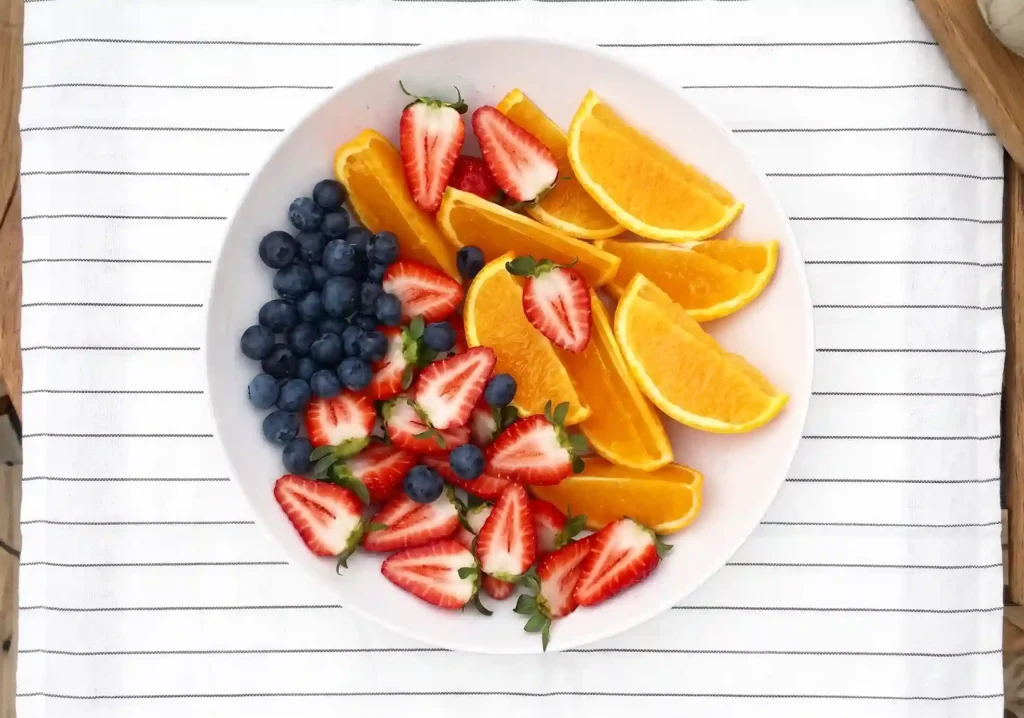
Blueberries contain fiber and anthocyanins, plant pigments with antioxidant properties. Research on berries suggests potential cardiovascular benefits, but their effects vary, and they should not be treated as a plaque-clearing remedy.
Add fresh or frozen blueberries to oatmeal, plain yogurt, or a fruit bowl. Unsweetened frozen berries can be an economical option.
12. Oranges
Oranges provide vitamin C, fiber, potassium, and other nutrients. Eating the whole fruit gives you more fiber than drinking strained orange juice.
Include oranges as part of a varied fruit intake rather than relying on citrus alone for heart protection.
People taking certain medications should check with a pharmacist before consuming grapefruit or grapefruit juice, which can interact with some medicines. Ordinary oranges do not have the same interactions in most cases.
13. Leafy Green Vegetables
Spinach, kale, collard greens, and other leafy greens provide fiber, folate, potassium, and a variety of plant compounds.
They can help support blood pressure management when included in a diet rich in vegetables and other minimally processed foods.
Add leafy greens to soups, omelets, salads, or cooked meals. If you take warfarin, keep vitamin K intake reasonably consistent and ask your healthcare professional before making major dietary changes.
14. Broccoli
Broccoli provides fiber, vitamin C, folate, and other nutrients that support overall health. Like other non-starchy vegetables, it can help you build filling meals without excessive calories.
Steam, roast, or lightly sauté broccoli, using modest amounts of salt and a heart-healthy oil.
Its value lies in contributing to a varied vegetable-rich diet, not in directly breaking down arterial plaque.
15. Ground Flaxseeds
Flaxseeds contain fiber, plant-based omega-3 fatty acids, and lignans. Ground flaxseed is generally easier to digest than whole seeds because the body can access more of its contents.
Stir a small amount into oatmeal, yogurt, or a smoothie. Increase fiber gradually and drink adequate fluids to avoid digestive discomfort.
Flaxseed can be a useful addition to a cholesterol-conscious diet, but it is not a substitute for prescribed treatment.
16. Chia Seeds
Chia seeds provide fiber, including soluble fiber, as well as plant-based omega-3 fats. When mixed with liquid, they form a gel-like texture that can be used in puddings, oatmeal, and other meals.
Start with modest portions and allow the seeds to absorb liquid before eating. Avoid swallowing large quantities of dry chia seeds, especially if you have swallowing difficulties.
Their fiber and fat profile makes them a helpful addition to a balanced diet.
17. Soy Foods
Tofu, edamame, and other minimally processed soy foods provide plant protein and can replace some foods high in saturated fat.
For example, try tofu in a vegetable stir-fry or add edamame to a grain bowl. Replacing some fatty meat with soy protein can help improve overall dietary quality and may modestly lower LDL cholesterol.
Soy foods are not medicines, but they can be part of a heart-supportive eating pattern.
18. Tomatoes
Tomatoes provide vitamin C, potassium, and lycopene, a plant compound that gives them their red color. They are easy to incorporate into meals throughout the year.
Use fresh tomatoes in salads, or add unsalted canned tomatoes to soups, lentil dishes, and sauces. Cooking tomatoes with a little olive oil can improve the availability of some fat-soluble plant compounds.
Tomatoes support a nutritious diet, but evidence does not show that they rapidly remove existing plaque.
19. Garlic
Garlic adds flavor to food without requiring large amounts of salt. Some studies suggest garlic preparations may have modest effects on certain cardiovascular risk factors, but the evidence is not strong enough to treat garlic as an artery-clearing therapy.
Use fresh garlic in soups, vegetable dishes, beans, and homemade sauces.
Garlic supplements can interact with certain medications, including blood-thinning medicines, so discuss supplements with a healthcare professional before using them.
20. Green Tea
Green tea contains polyphenols called catechins. Research has explored possible effects on cholesterol and cardiovascular health, although results vary and any benefits are generally modest.
Unsweetened green tea can be a useful alternative to sugary beverages. It contains caffeine, so people who are sensitive to caffeine may prefer smaller servings or a decaffeinated version.
Green tea should be considered a beverage choice within a healthy lifestyle—not a treatment for blocked arteries.
Can These Foods Actually Dissolve Arterial Plaque?
This is the most important distinction. Foods can help improve cholesterol levels and lower cardiovascular risk, but no food has been shown to rapidly dissolve arterial plaque.
Atherosclerosis develops through a complex process involving cholesterol, inflammation, and changes within artery walls. Depending on a person’s condition and treatment, plaque may stabilize or sometimes shrink over time. These changes generally require sustained risk-factor management and, when indicated, medication.
A practical heart-health strategy includes:
- Eating more vegetables, whole fruits, legumes, whole grains, nuts, seeds, and fish.
- Replacing butter, fatty meats, and other major sources of saturated fat with unsaturated fats.
- Limiting excess sodium, sugary drinks, and highly processed foods.
- Exercising regularly at a level appropriate for your health.
- Avoiding smoking and tobacco.
- Monitoring cholesterol, blood pressure, and blood sugar when recommended.
These approaches are consistent with guidance from the American Heart Association and the National Heart, Lung, and Blood Institute.
When Medical Treatment Matters
If you have been diagnosed with coronary artery disease, high LDL cholesterol, or plaque buildup, don’t rely on diet alone. Depending on your risk, a healthcare professional may recommend cholesterol-lowering medication, blood-pressure treatment, other medicines, or procedures to improve blood flow.
Never stop or reduce a prescribed statin or other heart medication because you have started eating healthier foods. Diet and medical treatment can work together.
If you develop chest pressure, sudden shortness of breath, or other possible symptoms of a heart attack, seek emergency medical care rather than trying to manage the symptoms with food.
The Bottom Line
Oats, beans, lentils, nuts, olive oil, fish, fruits, and vegetables are excellent choices for a heart-healthy eating pattern. They can help improve cholesterol and other risk factors over time, particularly when they replace foods high in saturated fat and excess sodium.
But the claim that 20 superfoods can quickly dissolve arterial plaque is misleading. The most effective approach is a consistent heart-healthy diet combined with appropriate medical care and control of cardiovascular risk factors.


