

You may have seen a viral food post claiming that one vegetable can eat all the sugar in your body. It sounds like an incredible discovery, especially for anyone trying to maintain healthy blood sugar levels.
But is there really a vegetable that can remove all the sugar from your bloodstream?
The honest answer is no. No single vegetable can absorb or eliminate all the sugar in your body. Your body uses glucose as an important source of energy, and blood sugar is normally regulated through hormones such as insulin.
However, certain vegetables and fiber-rich foods can support healthier blood sugar management when included in a balanced eating pattern.
Here is what the science actually says, which foods are worth adding to your meals, and why the viral claim needs a little clarification.
1. No Vegetable Can Eat All the Sugar in Your Body
Let’s start with the most important fact.
There is no scientifically proven vegetable that literally consumes all the sugar in your bloodstream.
When you eat carbohydrates, your digestive system breaks many of them down into glucose. That glucose enters your bloodstream and provides energy to your body’s cells.
Insulin, a hormone produced by the pancreas, helps glucose move from the bloodstream into cells.
If insulin does not work properly or the body does not produce enough of it, blood glucose levels can become too high.
Vegetables can support this process through their fiber, nutrients, and relatively low carbohydrate content, but they do not replace insulin or remove glucose like a cleaning product.
The goal is to support normal blood sugar regulation rather than eliminate glucose completely.
2. Spinach Is a Useful Low-Carbohydrate Vegetable
Spinach is one of the easiest vegetables to include in a balanced eating plan.
It contains fiber, vitamins, minerals, and other beneficial plant compounds while being relatively low in carbohydrates.
Because non-starchy vegetables generally contain fewer carbohydrates than foods such as potatoes, rice, and bread, they can help make meals more balanced.
You can add spinach to:
- Omelets and scrambled eggs
- Vegetable soups
- Salads
- Smoothies without added sugar
- Stir-fried vegetable dishes
Spinach is nutritious, but eating it does not automatically lower blood sugar or cancel out carbohydrates from other foods.
Its real benefit comes from being part of an overall healthy eating pattern.
3. Broccoli Provides Fiber and Important Nutrients
Broccoli is another useful choice for people who want to eat more non-starchy vegetables.
It contains fiber, vitamin C, vitamin K, and several plant compounds.
Fiber helps support digestive health and can slow the absorption of carbohydrates when eaten as part of a mixed meal.
Broccoli is also versatile. You can steam it, roast it, add it to soups, or serve it alongside chicken, fish, eggs, or other protein sources.
Try preparing broccoli with a little olive oil, garlic, and black pepper instead of covering it with sugary sauces.
It is not a diabetes treatment, but it can be a valuable part of a balanced plate.
4. Green Beans Can Help Build a Balanced Meal
Green beans are another non-starchy vegetable that can fit comfortably into many healthy eating plans.
They provide fiber and nutrients without contributing as many carbohydrates as some starchy foods.
You can enjoy them steamed, roasted, or lightly sautéed.
For a simple meal, combine green beans with a source of protein and a moderate portion of a high-fiber carbohydrate.
The combination matters because blood sugar is influenced by the entire meal, not just one ingredient.
The American Diabetes Association includes green beans among its examples of non-starchy vegetables.
5. Okra Contains Fiber and Is Easy to Add to Meals
Okra is commonly used in soups, stews, and vegetable dishes.
It contains fiber and can add texture and variety to meals.
Some preliminary studies have investigated okra and its possible effects on blood glucose, but the evidence is not strong enough to claim that eating okra treats diabetes or removes sugar from the blood.
You can still enjoy okra as part of a nutritious diet.
Try adding it to:
- Tomato-based vegetable stew
- Chicken and vegetable soup
- Lightly cooked mixed vegetables
- Lentil and vegetable dishes
Choose preparations that do not rely on excessive oil, salt, or added sugar.
6. Beans and Lentils Offer Fiber, but Portion Size Still Matters
The picture accompanying the viral claim appears to show a bowl of cooked beans.
Beans are nutritious, but there is an important detail that many viral posts leave out: beans contain carbohydrates too.
The good news is that they also provide fiber and plant-based protein.
Black beans, kidney beans, chickpeas, lentils, and other legumes can be part of a healthy eating pattern.
Their fiber content helps slow digestion, and choosing higher-fiber carbohydrate sources can support better blood glucose management.
However, portion size still matters, particularly for people who count carbohydrates as part of their diabetes care.
Try adding beans to salads, soups, vegetable stews, or grain bowls instead of treating them as a food that can cancel out sugar.
7. Cabbage Is Another Simple, Low-Carbohydrate Choice
Cabbage is affordable, versatile, and relatively low in carbohydrates.
It contains fiber and nutrients that contribute to overall health.
You can eat it raw in salads or prepare it in soups, stir-fries, and vegetable dishes.
For a simple meal, combine shredded cabbage with carrots, cucumber, lean protein, and a homemade dressing without added sugar.
Cabbage does not have a special ability to remove glucose from your bloodstream, but it can help increase the amount of vegetables in your daily diet.
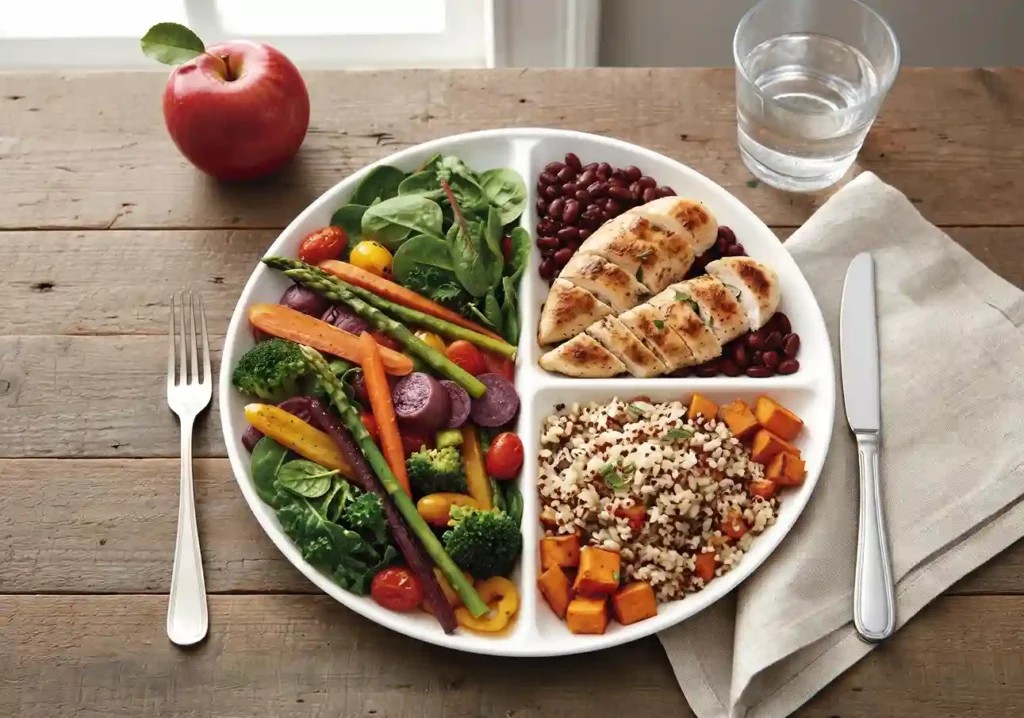
Pro Tip: Use the Plate Method Instead of Looking for a Miracle Food
One of the simplest ways to build a balanced meal is to follow the plate method recommended by diabetes health organizations.
For a standard 9-inch plate:
- Fill half with non-starchy vegetables such as spinach, broccoli, cabbage, and green beans.
- Fill one-quarter with lean protein such as chicken, fish, eggs, or tofu.
- Fill the remaining quarter with carbohydrate foods such as whole grains, beans, or other suitable choices.
You can adjust portions based on your individual nutritional needs and medical advice.
This approach is more useful than depending on a single vegetable or viral food remedy.
Important Note: People With Diabetes Should Not Stop Their Medication
If you have diabetes or prediabetes, changing your diet can be helpful, but it should not replace prescribed treatment.
Do not stop insulin, diabetes medication, or other prescribed treatment because a social media post recommends a particular vegetable.
Your blood glucose targets and meal needs may depend on your medication, activity level, health history, and individual circumstances.
If you are considering a major dietary change, speak with your healthcare professional or registered dietitian.
Myth vs. Fact: Can Vegetables Remove Sugar From Your Body?
| Myth | Fact |
|---|---|
| One vegetable can eat all the sugar in your body. | No vegetable has been proven to remove all blood glucose. |
| Eating spinach immediately lowers blood sugar. | Spinach is nutritious, but it is not an instant blood sugar treatment. |
| Beans contain no carbohydrates. | Beans contain carbohydrates as well as fiber and protein. |
| People with diabetes should avoid every carbohydrate. | Carbohydrates can be included in an individualized, balanced meal plan. |
| Vegetable juice is always better than whole vegetables. | Whole vegetables generally provide more intact fiber. |
| Natural foods can replace diabetes medication. | Food choices support diabetes management but do not replace prescribed treatment. |
Quick Checklist: Eating for Better Blood Sugar Management
- Include non-starchy vegetables in your meals.
- Choose whole vegetables more often than sugary vegetable drinks.
- Include fiber-rich foods such as beans and lentils.
- Pay attention to carbohydrate portions.
- Choose water instead of sugar-sweetened drinks.
- Limit highly processed foods and added sugars.
- Combine carbohydrates with protein and fiber.
- Follow your healthcare professional’s meal recommendations.
- Monitor blood glucose as recommended if you have diabetes.
- Never replace prescribed medication with a food remedy.
Frequently Asked Questions
Which vegetable is best for blood sugar management?
There is no single best vegetable for everyone. Non-starchy options such as spinach, broccoli, cabbage, green beans, and okra can fit well into a balanced eating plan.
Can okra remove sugar from the blood?
No. Okra contains fiber and nutrients, but there is not enough strong human evidence to say it removes blood sugar or treats diabetes.
Are beans good for people with diabetes?
Beans can be a nutritious choice because they provide fiber and plant-based protein. However, they also contain carbohydrates, so portions may matter for people managing diabetes.
Does eating vegetables lower blood sugar immediately?
Not necessarily. Vegetables can contribute to a healthier overall eating pattern, but one serving should not be expected to produce an immediate or guaranteed drop in blood glucose.
Can someone with diabetes eat potatoes and rice?
Yes, many people with diabetes can include these foods in appropriate portions. They contain carbohydrates, so meal planning and portion awareness are important.
Is vegetable soup good for blood sugar?
A vegetable-based soup can be a nutritious option, especially when it contains non-starchy vegetables, beans, and a suitable protein source. Be mindful of added sugar, salt, cream, and portion sizes.
Can diet alone control diabetes?
Some people can improve their blood glucose through nutrition, physical activity, and other lifestyle changes. Others need medication or insulin as well. Treatment should be individualized with a healthcare professional.
Conclusion
The idea that one vegetable can eat all the sugar in your body may sound exciting, but it is not how blood sugar regulation works.
Your body needs glucose for energy, and healthy blood sugar management depends on several factors, including insulin function, food choices, physical activity, and overall health.
Spinach, broccoli, green beans, okra, cabbage, and fiber-rich foods such as beans can all contribute to a balanced eating pattern.
Rather than searching for one miracle vegetable, focus on eating a variety of nutritious foods, managing carbohydrate portions, and following reliable medical guidance.
Key Takeaway: No vegetable can remove all the sugar from your body, but fiber-rich vegetables and balanced meals can support healthier blood sugar management over time.