
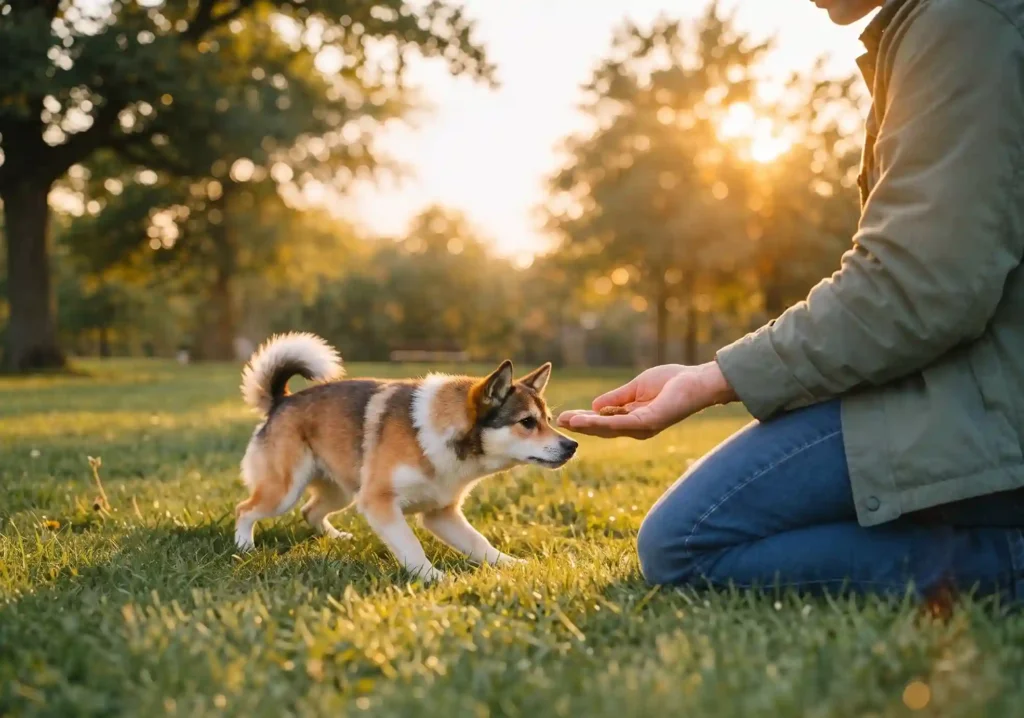

Have you ever watched a dog happily greet several people but suddenly become nervous around one particular person?
Maybe the dog backs away, hides behind its owner, barks, or simply refuses to come closer. It can be confusing, especially when the person has done nothing obviously wrong.
But dogs do not respond to every person in the same way.
Their reactions can be influenced by previous experiences, body language, unfamiliar smells, sounds, socialization, and individual personality. Sometimes, even a small movement that seems harmless to us can make a dog uncomfortable.
Importantly, a dog avoiding someone does not mean that person is bad or dangerous. It usually tells us more about the dog’s comfort level than the person’s character.
Here are 11 possible reasons dogs may dislike or feel uncomfortable around certain people.
1. The Person Reminds Them of a Negative Past Experience
One possible explanation is that the person reminds the dog of someone who frightened or hurt them in the past.
Dogs can develop associations between particular experiences and things they encounter later.
For example, a rescue dog that previously experienced rough handling might become nervous around someone whose movements or appearance resemble a person from its past.
The dog may react before the unfamiliar person even approaches.
This does not mean the new person has done anything wrong. The reaction may simply be connected to something the dog previously experienced.
What it may mean: Your dog could be responding to an association rather than judging the person in front of them.
2. They Feel Uncomfortable Around Certain Body Language
Dogs pay close attention to how people move.
Someone who leans directly over a dog, approaches quickly, or reaches toward its face may unintentionally appear threatening.
Even friendly gestures can feel uncomfortable when a dog does not know the person.
A calmer approach usually involves standing slightly sideways, avoiding direct pressure, and allowing the dog to decide whether to come closer.
Veterinary behavior guidance recommends giving unfamiliar dogs space rather than forcing physical interaction.
What it may mean: The dog may dislike the person’s approach, not the person themselves.
3. Loud Voices Make Them Nervous
Some dogs are more sensitive to loud or sudden sounds than others.
A person who speaks loudly, laughs suddenly, shouts across a room, or makes unexpected noises may cause a nervous dog to become uncomfortable.
This can be particularly noticeable in dogs that have had limited exposure to different sounds or have experienced frightening situations.
You might notice the dog moving away, lowering its body, tucking its tail, or looking for a quieter place.
Not every dog reacts this way, but reducing unnecessary noise can help create a more comfortable environment.
What it may mean: Your dog may be reacting to the person’s voice or the sounds they make.
4. Their Smell Is Unfamiliar
Dogs have a much stronger sense of smell than humans, and scent plays an important role in how they explore their surroundings.
An unfamiliar person may carry smells associated with other animals, smoke, perfume, cleaning products, or particular environments.
These scents may attract a dog’s curiosity or make the experience unfamiliar.
However, there is no reason to assume that a dog can identify someone’s character or intentions through smell.
An unfamiliar scent may simply be another piece of information the dog is investigating.
What it may mean: Your dog may be reacting to an unfamiliar smell rather than disliking the person.
5. They Are Uncomfortable With Direct Eye Contact
People often make direct eye contact when greeting someone.
But prolonged, intense eye contact can feel threatening to some dogs, particularly when it comes from an unfamiliar person.
A dog may respond by looking away, turning its head, becoming still, or moving farther away.
This is one reason it is usually better not to stare directly into an unfamiliar dog’s eyes while trying to make friends.
Allow the dog to observe you without pressure.
What it may mean: The dog may interpret intense eye contact as uncomfortable social pressure.
6. They Do Not Like Sudden Movements
Imagine someone approaching a dog quickly, waving their arms, bending down suddenly, or trying to touch its head without warning.
Even a friendly dog may become startled.
Some dogs are particularly cautious around children because children can move unpredictably, run toward them, or make sudden noises.
This does not mean dogs dislike children. It means introductions should be calm, controlled, and appropriate for the individual dog.
Adults should always supervise interactions between children and dogs.
What it may mean: The dog may need more time and space to understand what the person is doing.
7. Their Clothing or Accessories Look Unfamiliar
Have you ever noticed a dog reacting differently to someone wearing a hat, sunglasses, a hood, or a large coat?
Changes in a person’s appearance can sometimes make them seem unfamiliar to a dog.
A hat may change the outline of someone’s head, sunglasses hide their eyes, and bulky clothing can alter their overall shape.
This can be particularly noticeable in dogs that are naturally cautious around unfamiliar people.
The same dog may behave comfortably once it has had time to observe the person from a safe distance.
What it may mean: The dog’s reaction may be connected to unfamiliar visual details rather than anything about the person’s personality.
8. They Have Not Had Enough Positive Social Experiences
A dog’s early experiences can influence how comfortably it responds to unfamiliar people later in life.
Dogs that have had limited positive exposure to different people, environments, and everyday situations may find unfamiliar interactions more challenging.
For example, a dog that has mostly lived in a quiet household might feel overwhelmed when visitors arrive.
This does not mean the dog cannot become more comfortable.
Gradual exposure, positive experiences, and allowing the dog to move away when needed can help build confidence.
What it may mean: The dog may simply be unfamiliar with certain types of people or social situations.
9. They Feel Someone Is Getting Too Close to Their Favorite Person
Some dogs become uncomfortable when an unfamiliar person approaches their owner.
They may move between the two people, stand close to their owner, bark, or try to interrupt the interaction.
This behavior can sometimes involve guarding access to a valued person or responding to social tension.
It is often casually described as jealousy, but that label does not explain every situation.
A dog may also be anxious, uncertain, or reacting to the way the people are interacting.
If the behavior becomes intense, professional guidance can help identify the underlying cause.
What it may mean: Your dog may be uncomfortable with the interaction or concerned about losing access to someone familiar.
10. They Are Already Stressed or Overwhelmed
Sometimes the problem has little to do with the particular person.
A dog that has experienced a busy day, loud noises, unfamiliar surroundings, or several stressful interactions may have less tolerance for another greeting.
For example, a dog at a crowded family gathering may become uncomfortable when another guest approaches.
Behavior professionals sometimes describe the accumulation of multiple stressors as trigger stacking.
When several stressful experiences happen close together, a dog may react more strongly than it would under calmer circumstances.
What it may mean: The dog may need a break rather than another introduction.
11. They May Be Experiencing Pain or a Medical Problem
A dog that suddenly becomes uncomfortable around people may be experiencing physical discomfort.
Dogs do not always show pain in obvious ways.
A dog with joint pain, an injury, dental problems, or another medical condition might become less tolerant of being touched or approached.
For example, a normally friendly dog may suddenly growl when someone reaches toward its back or tries to pick it up.
This should not automatically be treated as a training issue.
If your dog’s behavior changes unexpectedly, arrange a veterinary examination to check for possible medical causes.
What it may mean: A sudden change in social behavior can sometimes be a sign that something is physically wrong.
Pro Tip: Let the Dog Make the First Move
If you want an unfamiliar dog to feel comfortable around you, resist the urge to approach immediately.
Try these simple steps:
- Ask the owner whether the dog is comfortable meeting new people.
- Stand slightly sideways instead of facing the dog directly.
- Avoid staring into the dog’s eyes.
- Keep your hands away from its face.
- Speak calmly and move slowly.
- Give the dog enough room to walk away.
- Allow the dog to approach voluntarily.
- Do not assume that approaching to sniff means the dog wants to be petted.
A dog that chooses to approach is not necessarily asking for physical contact. Always pay attention to its body language.
Important Note: A Dog Avoiding Someone Does Not Prove That Person Is Bad
There is a popular belief that dogs can automatically sense whether someone is a good or bad person.
It makes an interesting story, but it is not a scientifically established ability.
Dogs can respond to familiar and unfamiliar smells, movement, voices, social interactions, and previous experiences.
They may also observe how people treat their owners and react to the overall situation.
But a dog avoiding someone is not reliable evidence of dishonesty, harmful intentions, or poor character.
The most responsible interpretation is that the dog feels uncomfortable for a reason that may not be obvious to us.
Myth vs. Fact: Why Dogs Avoid Certain People
| Myth | Fact |
|---|---|
| Dogs dislike someone because they are a bad person. | Avoidance can result from fear, unfamiliarity, past experiences, or body language. |
| A dog that barks at someone knows they are dangerous. | Barking can reflect fear, excitement, frustration, or territorial behavior. |
| Dogs always love people who give them treats. | Some dogs remain uncomfortable even when treats are offered. |
| A dog that approaches someone wants to be petted. | Approaching may simply be an attempt to investigate or gather information. |
| Every dog enjoys meeting strangers. | Individual temperament and previous experiences influence social preferences. |
| Forcing a nervous dog to interact will help it overcome fear. | Forced interactions can increase stress and make fear worse. |
Quick Checklist: Helping Your Dog Feel Comfortable Around People
- Notice which situations make your dog uncomfortable.
- Give your dog enough space from unfamiliar people.
- Avoid forcing greetings or physical contact.
- Ask visitors to move calmly and avoid leaning over the dog.
- Watch for tucked tails, stiff posture, lip licking, and attempts to move away.
- Provide a quiet place where your dog can retreat.
- Reward calm behavior with positive, appropriate experiences.
- Supervise interactions with children.
- Avoid punishment for fear-related behavior.
- Consult a veterinarian if your dog’s behavior changes suddenly.
Frequently Asked Questions
Why does my dog dislike one particular person?
Your dog may associate that person with an unfamiliar smell, movement, voice, appearance, or previous experience. It is also possible that the dog simply feels uncomfortable with the way that person approaches.
Can dogs sense when someone is nervous?
Dogs can notice changes in human body language, movement, facial expressions, and scent. However, this does not mean they can accurately determine someone’s intentions or character.
Why does my dog bark at certain people but not others?
Barking can happen for several reasons, including fear, excitement, frustration, territorial behavior, or a desire to create more distance. The surrounding situation and the dog’s body language help explain the behavior.
Why does my dog hide behind me when meeting strangers?
Your dog may be seeking distance or reassurance when it feels uncertain. Allowing it to remain near you and avoid unwanted interaction can help it feel safer.
Should I let strangers pet my nervous dog?
No. Never force a nervous dog to accept physical contact. Let the dog decide whether to approach, and respect signs that it wants to move away.
Can a dog become more comfortable around people it previously disliked?
Many dogs can become more comfortable through gradual, positive experiences. However, progress depends on the dog’s individual history, level of fear, and circumstances. A qualified reward-based trainer or veterinary behavior professional can help when fear is significant.
When should I worry about my dog’s fear of people?
Seek professional advice if your dog frequently hides, trembles, growls, lunges, snaps, or cannot relax around people. A sudden behavioral change should also be checked by a veterinarian because pain or illness may be involved.
Conclusion
Dogs do not always respond to people in the way we expect.
One dog may happily greet every visitor, while another prefers to observe unfamiliar people from a comfortable distance.
Their reactions can be influenced by previous experiences, body language, sounds, smells, socialization, stress, and physical health.
The important thing is not to force a dog to like everyone. Instead, give it opportunities to feel safe, make its own choices, and build trust through positive experiences.
Key Takeaway: When a dog avoids someone, it does not automatically mean that person is bad. It may simply mean the dog needs more space, time, or a different kind of interaction.