
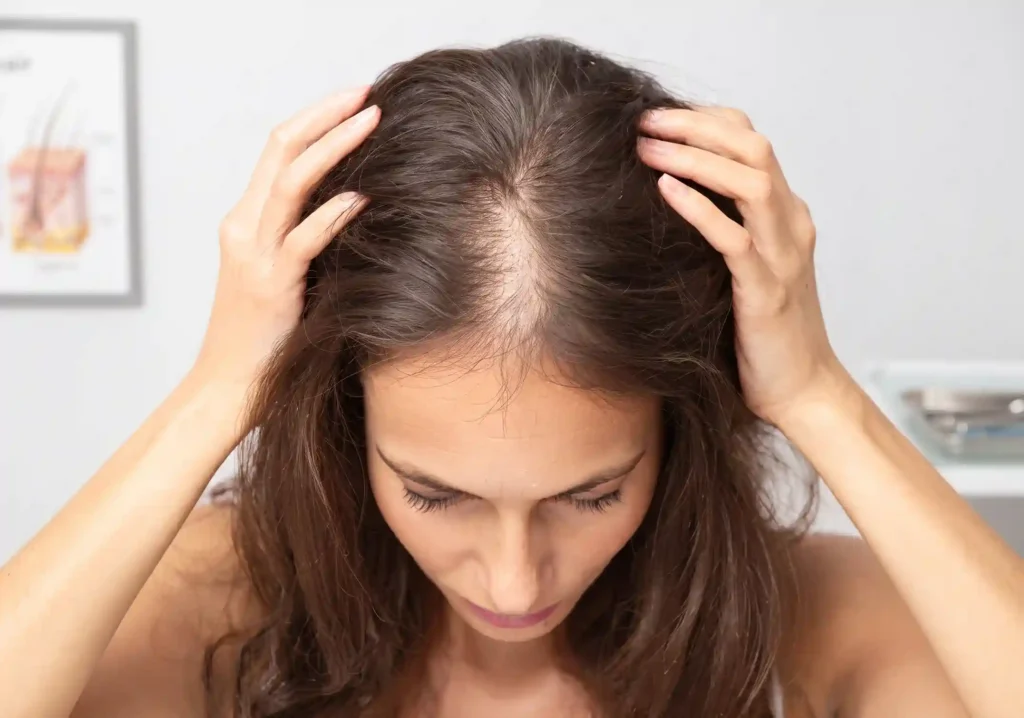

Noticing more hair in your brush, shower drain, or on your pillow can be frustrating. If your hair seems thinner than it used to be, you may wonder whether your body is missing an important nutrient.
Vitamins help support normal hair growth, but taking extra supplements does not automatically make hair grow faster or thicker. The most useful approach is to understand which nutrients your body needs and whether a deficiency could be contributing to your hair loss.
Here are three vitamins worth knowing about, the foods that provide them, and when supplements may actually help.
1. Vitamin D: Important for Normal Hair Follicle Function
Vitamin D is best known for supporting bone health, but it also plays a role in several processes involved in normal cell function. Researchers have investigated a possible connection between low vitamin D levels and certain types of hair loss.
Some studies have found associations between vitamin D deficiency and hair-loss conditions. However, this does not mean that vitamin D supplements will restore hair in everyone experiencing thinning.
Food sources of vitamin D include:
- Salmon, trout, and other fatty fish
- Egg yolks
- Fortified milk and plant-based milk alternatives
- Fortified breakfast cereals
- Certain mushrooms exposed to ultraviolet light
Sunlight can also help the body produce vitamin D, although the amount produced varies with skin tone, season, location, and sun exposure.
What should you know?
If you have persistent hair thinning and risk factors for vitamin D deficiency, ask a healthcare professional whether testing is appropriate. Taking large doses without guidance is not a reliable hair-growth strategy.
2. Biotin (Vitamin B7): Helpful When You’re Deficient
Biotin is often marketed as a beauty vitamin because it supports the body’s metabolism and helps enzymes perform essential functions. It is also widely promoted in hair, skin, and nail supplements.
A true biotin deficiency can cause thinning hair. However, deficiency is rare in otherwise healthy people, and there is little strong evidence that extra biotin improves hair growth when someone already gets enough.
According to the National Institutes of Health, evidence supporting biotin supplements for hair health is limited.
Foods that contain biotin include:
- Eggs that are cooked
- Nuts and seeds
- Salmon and other fish
- Sweet potatoes
- Legumes
- Certain vegetables, including spinach and broccoli
A balanced diet can provide biotin for most people without the need for a separate supplement.
Important safety point: High-dose biotin can interfere with certain laboratory tests, including some tests used to measure thyroid hormones. Tell your healthcare professional if you take biotin before having blood work.
3. Vitamin B12: Supports Healthy Blood and Cell Function
Vitamin B12 helps the body make red blood cells and supports normal nerve function and DNA production. Because hair follicles depend on healthy cell activity, getting enough B12 is part of maintaining overall health.
However, vitamin B12 is not a proven treatment for hair loss in people who already have adequate levels. Its relevance is greatest when a deficiency is present.
People following vegan diets may have a higher risk of low B12 intake because natural food sources are primarily animal-based.
Foods that provide vitamin B12 include:
- Fish and shellfish
- Meat and poultry
- Milk and yogurt
- Eggs
- Fortified breakfast cereals
- Fortified nutritional yeast and other fortified foods
If you follow a vegan diet, have certain digestive conditions, or have symptoms that could suggest B12 deficiency, ask a healthcare professional whether a blood test or supplement is appropriate.
Remember: Vitamin B12 supports general health, but taking extra amounts is not guaranteed to stop shedding or regrow hair.
Could Iron Deficiency Also Be Causing Hair Loss?
Although iron is a mineral rather than a vitamin, it deserves attention when discussing thinning hair.
Iron helps the body produce hemoglobin, which carries oxygen in red blood cells. Iron deficiency can be associated with hair loss, and it may be more likely in people with heavy menstrual periods, certain dietary restrictions, or conditions that affect iron absorption.
Foods containing iron include:
- Lean beef and poultry
- Lentils and beans
- Tofu
- Spinach
- Iron-fortified cereals
Plant-based iron is absorbed less efficiently than iron from many animal foods. Eating vitamin C-rich foods, such as citrus fruits or bell peppers, alongside plant sources can help improve iron absorption.
Do not start taking iron pills just because your hair is thinning. Too much iron can be harmful. A healthcare professional can determine whether testing and treatment are appropriate.
Signs Your Hair Loss May Need Medical Attention
Some hair shedding is normal. The NHS notes that losing around 50 to 100 hairs per day is common, although the amount varies from person to person.
It is worth getting checked if you notice:
- Sudden or unusually heavy shedding
- Bald patches or clearly defined areas of hair loss
- A widening part or steadily thinning hair
- Scalp pain, redness, scaling, or itching
- Hair loss accompanied by fatigue or other new symptoms
Hair loss can have many causes, including hereditary pattern hair loss, illness, stress, hormonal changes, medication effects, and nutritional deficiencies. Identifying the cause is often more useful than trying several supplements at once.
Pro Tip: Start With Your Diet and the Cause
Before spending money on hair-growth gummies or expensive vitamin blends, review your usual diet and consider whether you have risk factors for a nutrient deficiency.
Include a variety of protein-rich foods, vegetables, fruits, whole grains, and healthy fats. Hair is made largely of a protein called keratin, so consistently eating too little protein or too few calories may also contribute to hair shedding.
If the problem continues, a dermatologist or other healthcare professional can help determine whether blood tests, medication review, or another treatment is needed.
Myth vs. Fact: Do Vitamins Automatically Stop Hair Loss?
| Myth | Fact |
|---|---|
| Everyone with thinning hair needs biotin. | Biotin deficiency is rare, and supplementation has limited evidence of benefit without a deficiency. |
| Vitamin D supplements regrow everyone’s hair. | Correcting a deficiency may be appropriate, but supplements do not treat every cause of hair loss. |
| Vitamin B12 makes hair grow faster even when levels are normal. | B12 is essential for health, but extra amounts are not a proven hair-growth treatment for people who are not deficient. |
| Taking more vitamins means healthier, thicker hair. | Excess amounts of some nutrients can be harmful and may even worsen hair loss. |
| Hair loss always means a vitamin deficiency. | Genetics, hormonal changes, illness, stress, medications, and scalp conditions can also cause hair loss. |
Quick Checklist for Healthier Hair
Use this checklist as a starting point:
- Eat a varied diet with adequate protein and essential nutrients.
- Include foods containing vitamins D, B7, and B12.
- Avoid starting multiple high-dose supplements without advice.
- Ask whether blood tests are appropriate if you have persistent shedding.
- Seek medical advice for sudden, patchy, painful, or worsening hair loss.
- Give any treatment time to work under professional guidance.
Frequently Asked Questions
Which vitamin is best for hair loss?
There is no single best vitamin for everyone. Vitamin D, biotin, and B12 are important nutrients, but supplements are most likely to help when a deficiency is contributing to the problem.
Can biotin stop hair from falling out?
Biotin can help address hair loss caused by a true biotin deficiency. However, deficiency is rare, and research does not show strong benefits from supplementation for most healthy people with normal biotin levels.
Does vitamin D deficiency cause hair loss?
Low vitamin D levels have been associated with some hair-loss conditions. However, an association does not prove that a deficiency is the cause in every individual or that supplementation will reverse the hair loss.
How can I get these vitamins naturally?
Eat a varied diet that includes fish, eggs, dairy or fortified alternatives, nuts, seeds, vegetables, and other nutrient-rich foods. People with restricted diets or certain medical conditions may need individualized advice.
Should I take a hair-growth supplement every day?
Not automatically. Check the ingredients and discuss supplements with a healthcare professional, particularly if you take medication, have a medical condition, or are planning blood tests.
When should I see a dermatologist for hair loss?
Make an appointment if your hair loss is persistent, worsening, sudden, patchy, or accompanied by scalp symptoms. A dermatologist can help identify the cause and discuss suitable treatments.
Conclusion
Vitamin D, biotin, and vitamin B12 all play important roles in normal body function, but none is a universal solution for thinning hair. If a nutrient deficiency is contributing to hair loss, correcting it may help. If the cause is genetic, hormonal, medication-related, or linked to another condition, vitamins alone may not solve the problem.
Rather than guessing which supplement to buy, start with a balanced diet and seek professional advice if the shedding continues.
Key Takeaway: Healthy hair starts with meeting your nutritional needs. The best vitamin plan is one that addresses an actual deficiency instead of relying on high-dose supplements that may not help.