
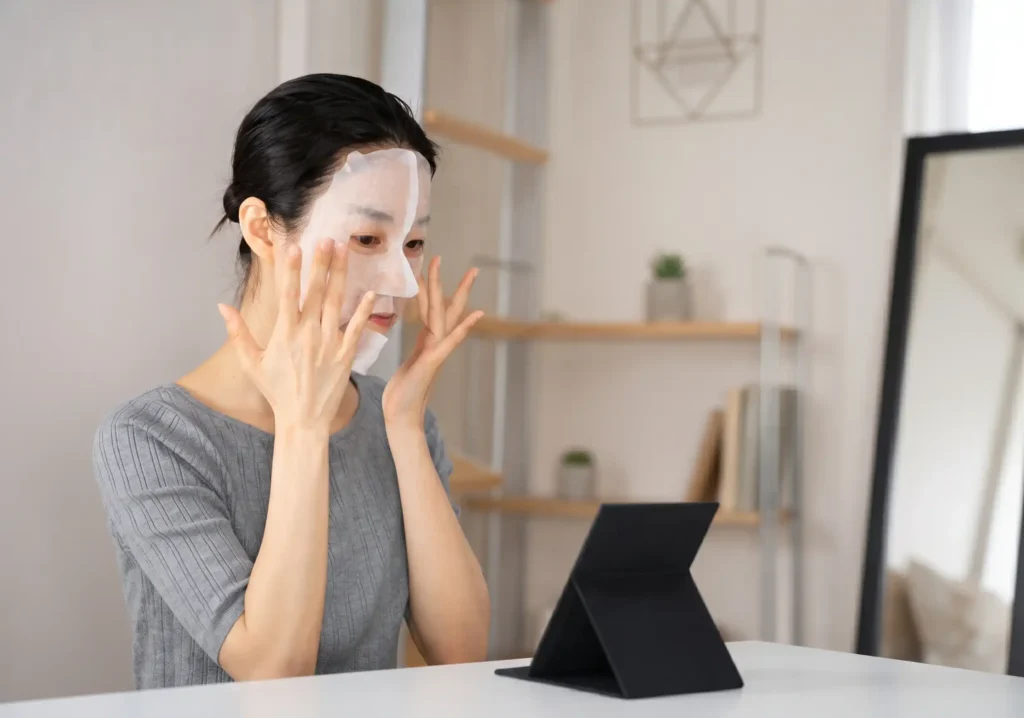

Have you seen the viral skincare tip claiming that Japanese people mix two simple ingredients to keep wrinkles away? The idea is appealing: a homemade mask, a few minutes of self-care, and skin that looks smoother and more hydrated. Rice-based skincare has a long history in beauty routines, and some ingredients used in moisturizers can help improve the appearance of dry skin. But before trying a viral recipe, it is worth separating traditional skincare practices from claims that have not been scientifically proven.
1. Why Japanese-Inspired Skincare Gets So Much Attention
Japanese skincare is often associated with gentle cleansing, hydration, sun protection, and consistent daily care. Rice-derived ingredients also appear in some modern skincare products because researchers have explored their potential antioxidant and cosmetic properties.
However, Japanese skincare is not one universal routine followed by everyone in Japan. People have different skin types, preferences, and concerns. A traditional ingredient can be interesting without being a miracle treatment, and a social media post alone cannot establish that a homemade mixture prevents wrinkles.
2. What Is the White Gel in the Viral Picture?
The image shows a smooth, white gel or cream in a wooden bowl alongside what appear to be rice grains. However, the picture does not identify the ingredients clearly enough to confirm the exact recipe.
It would be misleading to claim that the mixture definitely contains rice water, aloe vera, rice flour, or another ingredient without more information. These ingredients have different properties, and their effects depend on how they are prepared and used.
If you want to try a recipe from a video or post, check whether the creator lists the exact ingredients and preparation method. Be cautious if the recipe makes dramatic promises but offers no reliable evidence.
3. Can Rice Water Help Your Skin Look Better?
Rice water is often discussed in traditional beauty routines and modern skincare content. Some preliminary research has examined its antioxidant properties and possible cosmetic applications, including its use in a formulated gel.
However, laboratory findings and small preliminary studies do not establish that homemade rice water eliminates wrinkles or prevents skin aging. A homemade preparation also differs from a professionally formulated skincare product, which may have controlled ingredients, stability, and safety testing.
If you enjoy rice-based skincare, treat it as an optional cosmetic experiment rather than a proven anti-wrinkle treatment.
4. Why Moisturizing Can Make Fine Lines Less Noticeable
One reason a face mask may make skin appear smoother is hydration. When the outer layer of skin holds more moisture, it can look softer and temporarily appear plumper, making some fine lines less noticeable.
This effect does not mean that the mask has permanently removed wrinkles or rebuilt lost collagen. The appearance may change as the skin’s moisture level changes.
For dry skin, a suitable moisturizer can be a more predictable option than an improvised mixture. Look for a product formulated for your skin type, particularly if your face is sensitive or prone to breakouts.
5. The Skincare Step That Matters More Than a Viral Mask
Daily sun protection is one of the most important habits for reducing premature skin aging. Ultraviolet radiation contributes to wrinkles, uneven pigmentation, and other visible signs of sun damage.
The American Academy of Dermatology recommends using a broad-spectrum sunscreen with SPF 30 or higher. Choose a formula that suits your skin and apply it as directed, including reapplying during extended outdoor exposure.
A homemade mask cannot replace sunscreen. Even a product that temporarily makes your skin feel softer does not automatically protect it from ultraviolet damage.
6. Ingredients With Better Evidence for Fine Lines
If your main concern is fine lines, some professionally formulated skincare ingredients have stronger evidence than unverified homemade recipes.
Moisturizers: These help reduce water loss and can temporarily soften the appearance of fine lines associated with dryness.
Retinol and other retinoids: These vitamin A-related ingredients can improve certain signs of photoaging, including mild wrinkles and uneven skin texture. They may cause irritation, so introduce them cautiously and seek professional guidance if you are unsure whether they are suitable.
Vitamin C: Some formulated vitamin C products may help address uneven pigmentation and visible signs of sun damage.
No single ingredient works for everyone, and results vary. A simple, consistent routine is often more practical than combining many new products at once.
7. How to Try a Homemade Face Mask More Safely
If you are interested in a homemade skincare treatment, start by checking the ingredients rather than trusting the promise attached to the recipe.
Avoid applying mixtures containing lemon juice, harsh exfoliants, or strong essential oils to your face. These can irritate skin, and irritation may make redness or pigmentation concerns worse.
Do not assume that a natural ingredient is automatically safe. Food ingredients and homemade mixtures may trigger irritation or allergic reactions, and preparations without appropriate preservation can become contaminated.
For a new skincare product, the American Academy of Dermatology recommends testing a small amount on a limited area of skin before regular use. Follow product instructions and stop using anything that causes burning, itching, or significant redness.
8. Common Mistakes That Can Make Skin Look Older
Sometimes, a complicated skincare routine creates more problems than it solves. Using too many active ingredients, exfoliating too frequently, or continuing with a product that stings can damage the skin barrier and make irritation more noticeable.
Skipping sun protection is another avoidable mistake. Even an expensive serum cannot fully compensate for repeated, unprotected ultraviolet exposure.
A gentler routine usually begins with a suitable cleanser, moisturizer, and sunscreen. Additional products should address a specific concern rather than simply adding more steps.
9. A Simple Daily Routine for Healthier-Looking Skin
You do not need a long list of homemade recipes to care for your skin. A basic routine can be a useful starting point.
Morning: Gently cleanse if needed, apply moisturizer suited to your skin, and finish with broad-spectrum SPF 30 or higher sunscreen.
Evening: Remove makeup and sunscreen, cleanse gently, and apply moisturizer. If you want to address fine lines, consider a suitable evidence-based product and introduce it gradually.
Every day: Avoid tanning, pay attention to irritation, and give products time to work. Many skincare treatments take weeks to show visible results, and no topical product can guarantee wrinkle-free skin.
Pro Tip
Take a photo in consistent lighting before changing your routine, then compare it after several weeks. This can help you distinguish a temporary hydration effect from a more lasting change in skin texture.
Important Note
If you have eczema, rosacea, very sensitive skin, or a history of allergic reactions, be particularly cautious with homemade masks. Ask a qualified healthcare professional or dermatologist for advice if you are unsure which ingredients are appropriate for you.
Myth vs. Fact
| Myth | Fact |
|---|---|
| A Japanese homemade mask guarantees wrinkle-free skin. | No homemade mask can guarantee that wrinkles will never develop. |
| Rice water permanently removes fine lines. | Evidence for homemade rice water as an anti-wrinkle treatment is limited. |
| Natural ingredients cannot irritate skin. | Natural ingredients can cause irritation or allergic reactions. |
| Moisturized skin can look smoother. | Yes, hydration may temporarily make some fine lines less noticeable. |
| Sunscreen is only necessary on very sunny days. | UV exposure can occur even when the weather is cloudy, so regular sun protection matters. |
Quick Checklist Before Trying a Viral Skincare Recipe
- Check the exact ingredients instead of guessing from the picture.
- Look for reliable evidence behind anti-aging claims.
- Avoid harsh ingredients that may irritate facial skin.
- Test new products cautiously.
- Use a moisturizer suited to your skin type.
- Apply broad-spectrum SPF 30 or higher sunscreen during the day.
- Stop using a product if it causes a reaction.
Frequently Asked Questions
Can a homemade rice mask remove wrinkles?
There is not enough strong evidence to say that a homemade rice mask removes wrinkles. It may temporarily make skin feel softer or look more hydrated, depending on its ingredients.
Why do fine lines sometimes look smaller after applying a face mask?
Some masks increase skin hydration. This can temporarily plump the outer layer of skin and make fine lines associated with dryness less noticeable.
Is rice water safe to apply to the face?
It may be tolerated by some people, but homemade preparations are not standardized and can cause irritation or contamination concerns. Patch-test cautiously and discontinue use if a reaction occurs.
What is the most important skincare habit for preventing premature wrinkles?
Regular sun protection is one of the most important steps. Broad-spectrum sunscreen with SPF 30 or higher helps protect skin from ultraviolet damage that contributes to premature aging.
Can I stop using makeup if I follow a skincare routine?
That is entirely your choice. Skincare may help your skin look and feel healthier, but makeup is optional and there is no requirement to stop using it. A skincare routine cannot guarantee flawless or wrinkle-free skin.
Conclusion
The viral Japanese-inspired face mask is an interesting skincare trend, but the claim that two ingredients can prevent wrinkles indefinitely is not supported by strong evidence. Rice-derived ingredients are being explored for cosmetic uses, and hydration can make skin look temporarily smoother. Still, the more dependable approach is to use gentle skincare, moisturize consistently, and protect your skin from the sun.
Key Takeaway
Healthy-looking skin is built through consistent care, not miracle recipes. A homemade mask may provide a little hydration, but sunscreen, an appropriate moisturizer, and evidence-based treatments are more reliable options for managing visible signs of aging.