
Dogs are curious eaters, and sometimes the foods we enjoy every day can pose serious risks to our four-legged companions. A dropped piece of chocolate, a few grapes left on the table, or sugar-free gum in an open bag may seem harmless—but certain ingredients can cause severe poisoning in dogs.
The danger depends on the food, the amount eaten, and the dog’s size and health. The following list ranks 15 common food hazards by the seriousness of the potential harm, not by a universal toxicity score. Some can cause life-threatening emergencies even before obvious symptoms appear.
1. Xylitol: A Hidden Danger in Sugar-Free Products
Xylitol is a sweetener found in some sugar-free chewing gums, candies, baked goods, and other products. It is particularly dangerous for dogs because it can trigger a rapid release of insulin, causing blood sugar to fall to dangerously low levels. In some cases, it can also cause severe liver injury.
Warning signs may include vomiting, weakness, difficulty walking, unusual tiredness, tremors, or seizures. Symptoms can develop quickly, although some complications take longer to appear.
What to do: Keep sugar-free products securely stored and check ingredient labels. If your dog may have swallowed something containing xylitol, contact a veterinarian immediately rather than waiting for symptoms.
2. Grapes and Raisins: A Risk to the Kidneys
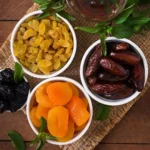
Grapes, raisins, sultanas, and certain related dried fruits can cause acute kidney injury in dogs. One of the biggest concerns is that individual dogs can react differently, and the amount that causes harm cannot be reliably predicted.
These foods may also be hidden in baked goods, snack mixes, fruitcakes, and other treats. Early signs can include vomiting, diarrhea, reduced appetite, and lethargy. More serious kidney problems may develop over the following days.
What to do: Never intentionally feed grapes or raisins to a dog. If your pet eats any, contact a veterinarian promptly—even if your dog appears perfectly normal.
3. Dark Chocolate and Baking Chocolate
Chocolate contains theobromine and caffeine, substances that dogs process differently from humans. Dark chocolate, baking chocolate, and cocoa powder generally contain higher concentrations of these compounds than milk chocolate.
Depending on the dose, chocolate poisoning can cause vomiting, diarrhea, restlessness, a rapid or abnormal heartbeat, tremors, and seizures. Severe cases can be fatal.
What to do: Keep chocolate, cocoa powder, and baking ingredients out of reach. If your dog eats chocolate, save the packaging and contact your veterinarian with details about the type and estimated amount consumed.
4. Coffee, Caffeine, and Energy Drinks
Caffeine stimulates the nervous system and heart. Dogs may be exposed through coffee beans, coffee grounds, tea, energy drinks, caffeine tablets, or products containing concentrated caffeine.
Possible symptoms include agitation, panting, vomiting, an unusually fast heartbeat, muscle tremors, and seizures. The risk depends on the amount of caffeine and the dog’s body weight.
What to do: Do not let your dog drink caffeinated beverages or chew discarded coffee products. Contact a veterinarian if an exposure occurs, particularly if the amount is unknown or concentrated.
5. Alcohol and Foods Containing Alcohol
Alcohol can be toxic to dogs, even though it is a familiar ingredient in many human settings. Dogs may accidentally consume alcoholic drinks, alcohol-containing products, or food that contains enough alcohol to cause harm.
Alcohol poisoning can affect coordination, breathing, blood sugar, and the central nervous system. Severe cases may involve tremors, seizures, unconsciousness, or death.
What to do: Keep alcoholic drinks away from pets and never offer alcohol as a treat. Raw yeast dough also deserves special attention because it can expand in the stomach and produce alcohol as it ferments.
6. Onions
Onions contain compounds that can damage a dog’s red blood cells and lead to anemia. Raw, cooked, dried, and powdered onions can all be a concern.
The risk is not limited to visible pieces of onion. Onion powder may be present in sauces, soups, gravies, seasonings, and leftovers. Signs can include vomiting, weakness, reduced appetite, pale gums, or unusual tiredness.
What to do: Avoid feeding dogs foods containing onion. If your dog eats a substantial amount or consumes onion-containing seasoning, seek veterinary advice. Signs of red blood cell damage may take several days to become noticeable.
7. Garlic
Garlic belongs to the same plant family as onions and can also damage red blood cells. Concentrated garlic products and repeated exposure may be particularly concerning.
Garlic can appear in sauces, marinades, meat seasonings, and homemade foods. A dog may initially seem fine even when a potentially harmful exposure has occurred.
What to do: Do not use garlic as a home remedy or routine food supplement for your dog unless a veterinarian specifically recommends an appropriate product. Keep garlic and garlic-seasoned leftovers out of reach.
8. Macadamia Nuts
Macadamia nuts can cause illness in dogs, even though they are not considered poisonous to humans. Affected dogs may develop weakness, vomiting, difficulty walking, tremors, or an elevated body temperature.
The reason these nuts cause the characteristic illness in dogs is not completely understood. Symptoms commonly begin within about 12 hours, but the timing can vary.
What to do: Avoid giving dogs macadamia nuts or baked goods containing them. Contact your veterinarian if your dog eats them, especially if the quantity is uncertain or symptoms develop.
9. Raw Yeast Dough
Unbaked bread dough containing active yeast can expand in a dog’s stomach, causing painful bloating and potentially life-threatening complications. As the yeast ferments, it also produces alcohol, creating an additional poisoning risk.
A dog that eats raw dough may develop abdominal discomfort, a swollen stomach, vomiting, weakness, or abnormal behavior.
What to do: Keep rising dough covered and out of reach while baking. If your dog eats raw yeast dough, contact a veterinarian immediately rather than waiting to see whether the dough passes naturally.
10. Moldy or Spoiled Food
Dogs may scavenge from trash cans, compost bins, or forgotten leftovers. Some moldy foods contain toxins that can affect the nervous system and cause severe illness.
Depending on the toxin, signs may include vomiting, agitation, tremors, an elevated body temperature, and seizures. Spoiled food can also contain harmful bacteria.
What to do: Keep garbage secured and discard spoiled food safely. If your dog eats moldy food, contact your veterinarian and describe what was eaten, how much, and when.
11. Foods Containing Excessive Salt
A large amount of salt can disturb a dog’s electrolyte balance and cause salt poisoning. Risky exposures may include large quantities of salty snacks, salt dough, or other highly salted products.
Signs can include vomiting, diarrhea, excessive thirst, weakness, tremors, and seizures. The risk depends on the amount consumed and the dog’s access to fresh water, among other factors.
What to do: Do not offer heavily salted snacks or allow dogs to eat large amounts of salt-containing products. If you suspect a significant exposure, seek veterinary advice promptly; do not try to treat it by forcing your dog to drink water.
12. Nutmeg and Heavily Spiced Foods
Nutmeg contains compounds that can cause illness when consumed in sufficient quantities. Although the amount in a small accidental taste of an ordinary baked good may not cause severe poisoning, concentrated spice exposure is a different matter.
Large exposures may cause digestive upset and neurological signs. Spiced dishes may also contain other harmful ingredients, including onion, garlic, or excessive fat.
What to do: Keep spice containers and concentrated seasonings away from curious pets. If your dog eats a large amount of nutmeg or an unknown seasoning mixture, contact your veterinarian for guidance.
13. Fatty Foods and Greasy Table Scraps
Not every dangerous food causes classic poisoning. Very fatty foods can trigger digestive problems and may contribute to pancreatitis, a potentially painful and serious inflammation of the pancreas.
Examples include large amounts of bacon fat, greasy meat scraps, rich gravies, and heavily buttered foods. Symptoms may include vomiting, abdominal pain, reduced appetite, and lethargy.
What to do: Avoid giving your dog greasy leftovers. If your pet develops repeated vomiting, significant abdominal pain, or marked weakness after eating fatty food, arrange veterinary assessment.
14. Cooked Bones
Cooked bones are not necessarily poisonous, but they can still be dangerous. They may splinter, injure the mouth or digestive tract, or become lodged and cause an intestinal blockage.
Bones can also damage teeth, and swallowing large pieces may create an emergency. Small fragments are not automatically harmless just because they came from a cooked meal.
What to do: Do not give dogs cooked chicken bones or other cooked bones from the table. If your dog swallows a bone and develops choking, repeated vomiting, abdominal pain, or difficulty passing stool, seek veterinary care immediately. Do not try to make your dog vomit.
15. Foods With Hidden Toxic Ingredients
Some of the most dangerous exposures happen when a dog eats a food that seems harmless because its toxic ingredient is not obvious. Sugar-free products may contain xylitol, baked goods may contain raisins, and savory leftovers may contain onion or garlic powder.
A food’s appearance or smell cannot tell you whether it is safe. Ingredient lists, product packaging, and the amount consumed can help a veterinarian assess the risk.
What to do: Read labels before sharing human food with your dog. Keep snacks, baking ingredients, medicines, and discarded packaging out of reach, and never assume that a tiny amount of an unknown ingredient is safe.
Warning Signs of Possible Food Poisoning in Dogs
Signs vary depending on the food and the amount consumed. Watch for:
- Repeated vomiting or diarrhea
- Unusual tiredness or weakness
- Restlessness or agitation
- Excessive drooling
- Difficulty walking or poor coordination
- Tremors or seizures
- Pale gums or an unusually fast heartbeat
- A swollen or painful abdomen
- Changes in thirst or urination
Do not wait for symptoms if you know or suspect your dog has eaten a potentially toxic food. Some dangerous exposures cause delayed signs, and early veterinary care can make a major difference.
What to Do If Your Dog Eats Something Toxic
First, move the remaining food out of reach and identify what your dog ate. If possible, keep the packaging or take a photo of the ingredient list.
Contact your veterinarian or the nearest emergency veterinary clinic immediately. Be prepared to explain your dog’s approximate weight, the suspected food, the amount eaten, and when it happened.
Do not induce vomiting or give home remedies unless a veterinary professional specifically instructs you to do so. Some substances can cause additional harm if vomiting is induced incorrectly.
For suspected poisoning, prompt professional advice is safer than waiting to see whether your dog becomes ill.
Myth vs. Fact: Foods That Can Harm Dogs
| Myth | Fact |
|---|---|
| A small amount of every toxic food is harmless. | The risk depends on the substance, amount, and individual dog. |
| Dogs will always show symptoms immediately. | Some complications take hours or days to become apparent. |
| Only chocolate is dangerous to dogs. | Grapes, raisins, xylitol, onions, garlic, and other foods can also cause serious harm. |
| A dog that looks normal after eating grapes is safe. | Kidney injury may develop later, so immediate veterinary advice is important. |
| Making a dog vomit is always the best first step. | Inducing vomiting at home can be dangerous and should only be done under veterinary direction. |
Conclusion
Many everyday foods can be dangerous for dogs, but some deserve especially strict precautions. Xylitol, grapes and raisins, chocolate, caffeine, alcohol, onions, and garlic can cause serious illness, while raw yeast dough, moldy food, excessive salt, and cooked bones create additional hazards.
The safest approach is to keep potentially toxic foods out of reach, check ingredient labels, and avoid feeding your dog unknown leftovers. If an accidental exposure happens, contact a veterinarian quickly rather than relying on online symptom lists or home remedies.
Key Takeaway
When it comes to a suspected food poisoning, do not wait for symptoms. Identify what your dog ate and contact a veterinarian immediately.